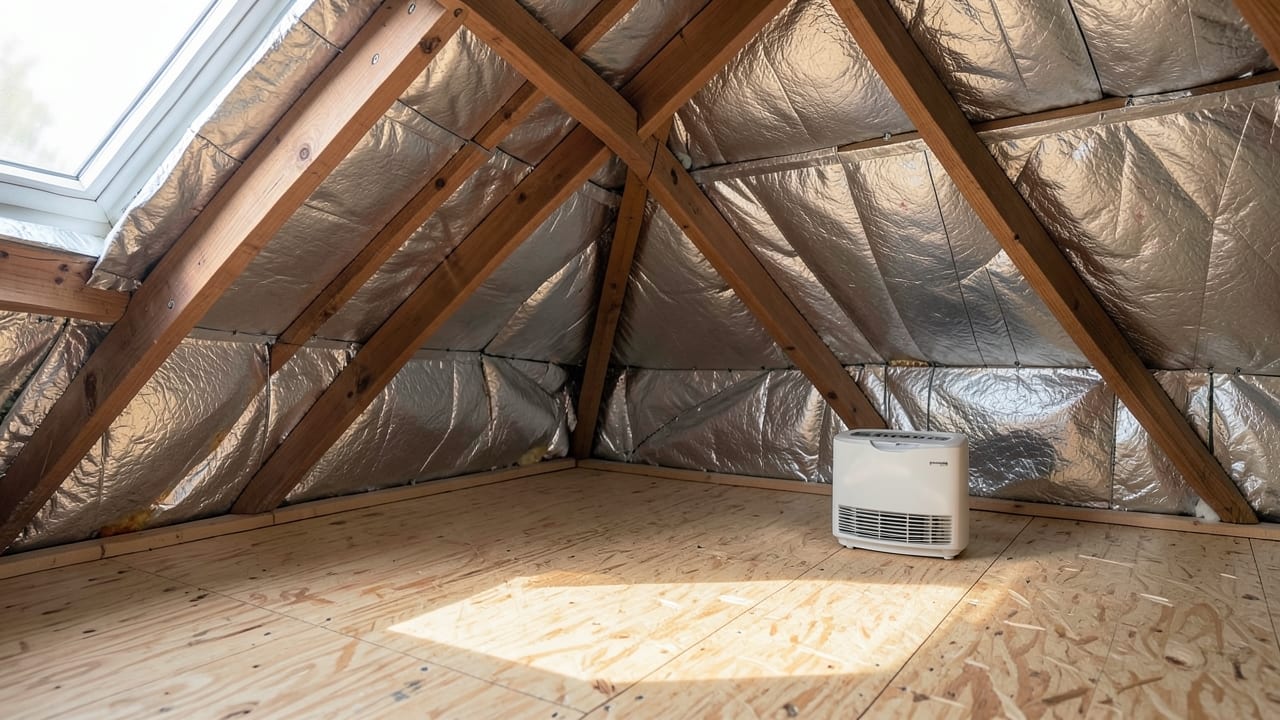
Pre-Winter Mold Prevention
Pre-winter mold prevention involves inspection and treatment to stop mold growth before cold weather.
As temperatures drop in Clarksville, KY, homes face higher humidity risks indoors, creating ideal conditions for mold growth in attics, basements, and crawl spaces. Pre-winter mold prevention focuses on sealing leaks, improving airflow, and applying targeted treatments to vulnerable areas before moisture becomes a larger problem.
This proactive approach helps protect your home’s structure and air quality before winter sets in.
We also handle Sunroom Mold Remediation and Closet Mold Cleanup for Clarksville properties.
When to act: signs you need pre-winter mold prevention
Mold growth often starts small but can spread rapidly once temperatures drop. Look for visible patches larger than a few square inches, recurring mold in the same spot after cleaning, or a persistent musty odor—especially when HVAC systems run.
These signs indicate moisture issues that need professional attention before winter locks them in.
Hidden mold in walls, under flooring, or inside ductwork is harder to detect but just as dangerous. If you notice a musty smell that worsens when the furnace kicks on, spores may already be circulating through your home’s air.
Addressing these issues early prevents larger infestations once cold weather reduces ventilation.
Red Flags for Pre-Winter Mold
- Mold covering more than 25 square feet in one area (a common threshold for professional remediation).
- Recurring mold in the same spot after cleaning, signaling an unresolved moisture source.
- A musty odor that lingers or grows stronger with HVAC use, suggesting hidden growth.
- Visible condensation or water stains on walls, ceilings, or floors—especially in basements or attics.
- Peeling paint, warping wood, or sagging drywall, which can indicate long-term moisture damage.
What affects cost and timing?
The size of the affected area and the type of mold influence pricing and project duration. Black mold or extensive growth typically requires more containment, removal, and drying time than surface-level issues. Location matters too—basements and crawl spaces often need additional ventilation or dehumidification to fully resolve moisture problems.
Pre-winter jobs may face slight delays if crews are booked ahead of seasonal demand, but proactive scheduling ensures you’re addressed before cold weather traps humidity inside. Always confirm whether a quote includes inspection, containment, clearance testing, and moisture-source fixes—these steps are critical for long-term results.
Why containment and testing matter
During remediation, containment—using plastic sheeting and negative-air machines—prevents spores from spreading to unaffected areas of your home. Without this step, disturbed mold can circulate through HVAC systems or settle in other rooms, turning a small job into a larger one.
HEPA filtration and vacuuming further reduce airborne spores during the process.
Clearance testing after remediation confirms that spore counts are back to normal levels. This independent verification ensures the job is complete, but it’s often omitted in cheaper quotes. Skipping it leaves no proof that hidden mold was fully addressed, risking recurrence once moisture returns.
Using non-HEPA vacuums or air scrubbers recirculates spores instead of capturing them. Removing mold without fixing leaks or poor ventilation ensures the problem returns. Always verify containment, HEPA filtration, and clearance testing are included in your quote.
How pre-winter mold prevention works
This service targets moisture-prone areas before cold weather traps humidity inside.
- 1Inspection and Assessment
A professional examines attics, basements, and crawl spaces for leaks, poor ventilation, or hidden moisture. They identify surfaces at risk and determine if growth has penetrated porous materials like drywall or insulation.
- 2Containment Setup
Plastic sheeting and negative-air machines seal off the work area to prevent spores from spreading during removal. This step is critical for containing airborne particles generated when moldy materials are disturbed.
- 3Removal and Cleaning
Porous materials heavily contaminated with mold are cut out and disposed of in sealed bags. Non-porous surfaces like framing or tile are scrubbed with antimicrobial treatments to kill remaining spores.
- 4Structural Drying
Industrial dehumidifiers and air movers dry framing and subfloors to normal moisture levels. This step prevents mold from regrowing on damp materials even after visible traces are removed.
- 5Clearance Testing
An independent lab tests air or surfaces post-remediation to confirm spore counts are within safe ranges. This verifies the job is complete, but it’s often excluded in lower-cost quotes.
Frequently asked questions
Can I clean small mold patches myself before winter?
For patches under 25 square feet, scrubbing with detergent and water or a vinegar solution may help, but only if the moisture source is fixed. If mold keeps returning or spreads, professional remediation is needed to address hidden growth and prevent winter humidity from worsening the problem.
Will pre-winter prevention stop mold from coming back?
This service removes existing growth and targets moisture sources, but results depend on maintaining proper ventilation and fixing leaks. Regular humidity checks in treated areas help catch early recurrence while it’s still manageable.
How long does the entire process take?
Small jobs may wrap up in a day, while larger infestations or hidden moisture can take several days. Containment, drying, and clearance testing add time, but rushing these steps increases the risk of incomplete removal.
Do I need to leave the house during remediation?
You’ll likely need to vacate the affected area, but the crew will provide guidance. Proper containment minimizes disruption to the rest of your home, though musty odors or dust may linger temporarily in nearby rooms.
See South Park View, KY for more, or check out the rest of our Clarksville lineup by service type for our complete lineup.
Ready to get started?
Talk to a local mold remediation pro in Clarksville — get a written quote.
Other Mold Remediation Services in Clarksville

Sunroom Mold Remediation in Clarksville, KY
Professional removal and treatment of mold in sunrooms to restore a safe, clean space.
Learn More
Closet Mold Cleanup in Clarksville, KY
Professional cleanup and removal of mold from closets to restore safe, healthy spaces.
Learn More
Condo Mold Remediation in Clarksville, KY
Professional removal and treatment of mold in condominiums to restore safe, healthy living spaces.
Learn More
Restaurant Mold Remediation in Clarksville, KY
Professional mold removal and remediation for restaurant spaces to ensure safety and compliance.
Learn More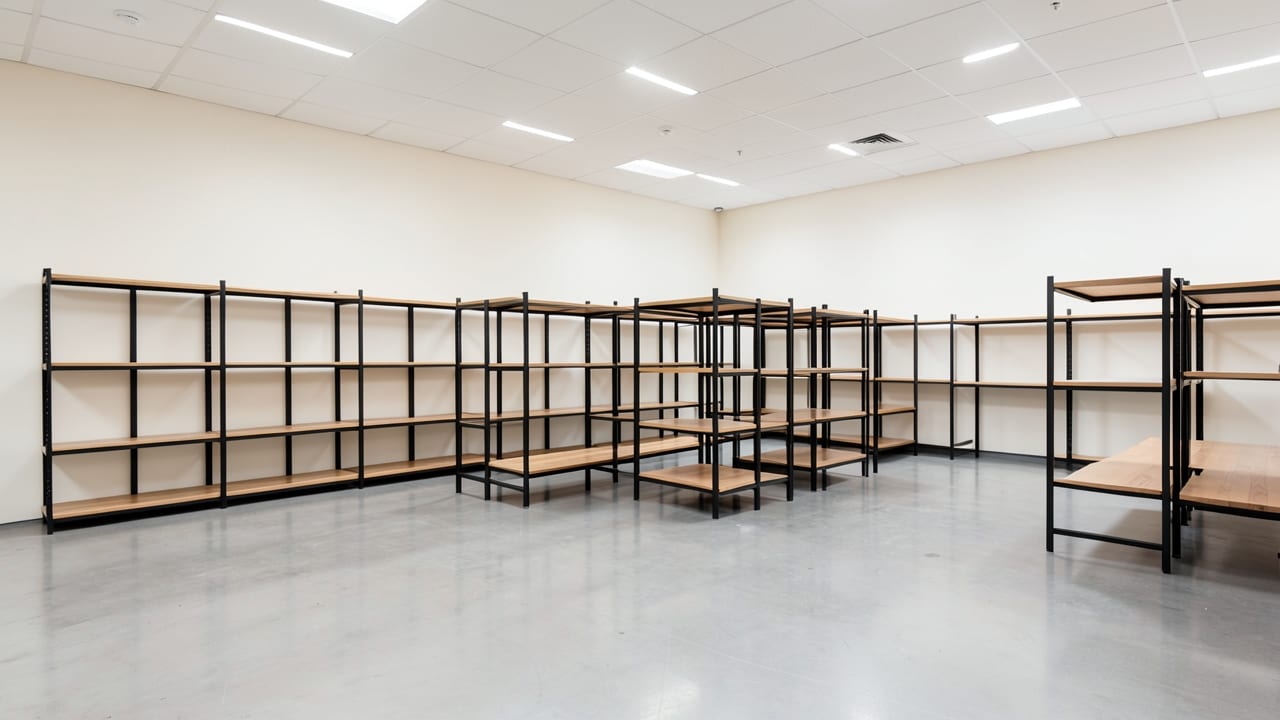
Retail Store Mold Remediation in Clarksville, KY
Professional mold removal and remediation for retail stores to restore safe, clean environments.
Learn More
Hotel Mold Remediation in Clarksville, KY
Professional removal and treatment of mold growth in hotel properties to restore safe, clean environments.
Learn MoreCommon Questions About Mold Remediation in Clarksville
Everything you need to know about mold remediation services in Clarksville
How much does Pre-Winter Mold Prevention typically cost in Clarksville, KY?
Why does Clarksville, KY's humidity make mold a bigger risk than in drier regions?
Is it safe to stay in the home during mold remediation?
Can small mold problems be handled without hiring anyone?
What's the actual difference between mold removal and mold remediation?
Is a final clearance test part of a typical mold remediation job?
Need Mold Remediation in Clarksville?
Connect with local providers in Clarksville for a detailed quote.
⏰ We answer your call • Serving all of Clarksville and surrounding areas