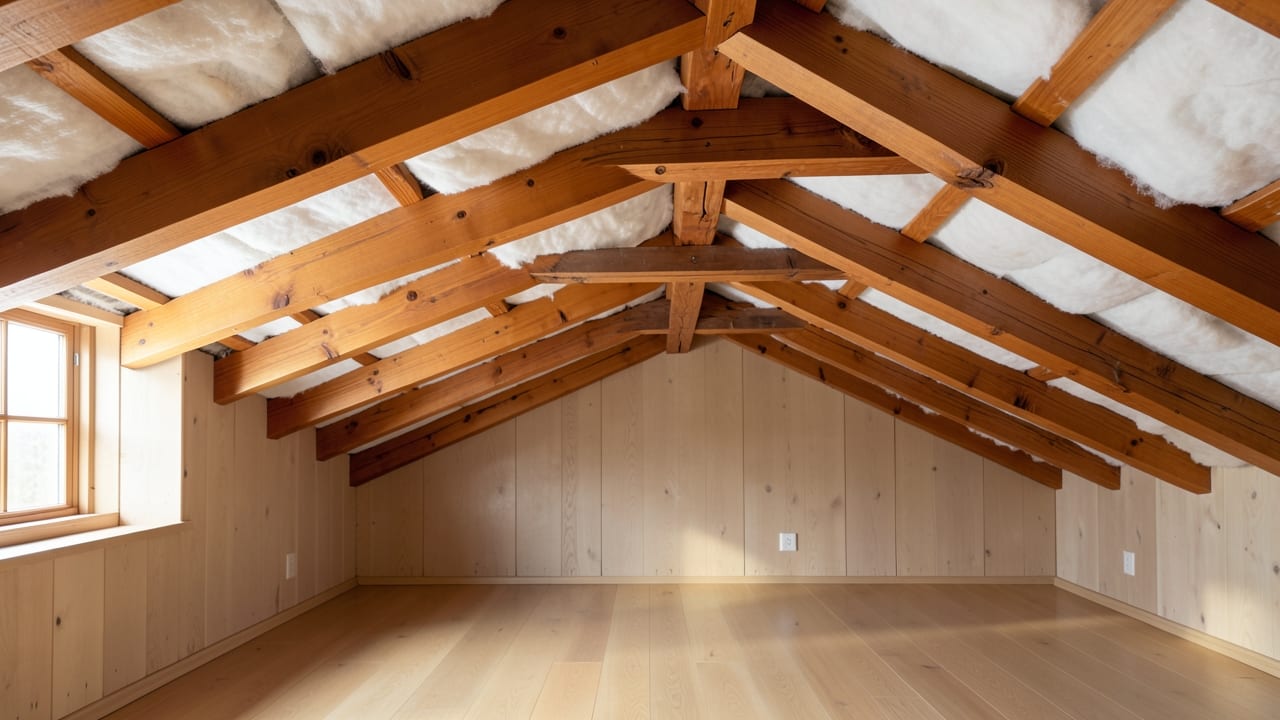
Roof Leak Mold Remediation
Professional removal of mold caused by roof leaks to restore a safe, healthy home environment.
When a roof leak in Clarksville, KY, goes unchecked, water damage can lead to mold growth that spreads quickly through framing, insulation, and drywall. Roof leak mold remediation focuses on safely removing contaminated materials, sealing affected areas, and restoring indoor air quality—while addressing the moisture source to prevent recurrence.
This process follows strict containment and drying protocols to minimize disruption to your home.
We also handle Hotel Mold Remediation and Gym Mold Remediation for Clarksville properties.
When to call for roof leak mold remediation
Mold from a roof leak often starts small but can become a widespread issue if ignored. Signs it’s time for professional help include mold covering more than a few square feet, recurring growth after cleaning, or a persistent musty odor with no visible source.
These indicate hidden moisture or extensive contamination beyond what a homeowner can safely handle.
Poor airflow in enclosed spaces—like windowless bathrooms or basements—also creates ideal conditions for mold to return. If you’ve already tried cleaning and the problem persists, or if the affected area is large, professional remediation is the safest choice to protect your home and health.
Signs You Need Professional Roof Leak Mold Remediation
- Mold covers more than 25 contiguous square feet (Kentucky’s threshold for professional work).
- Growth keeps returning after cleaning, suggesting the moisture source isn’t fixed.
- A musty smell persists even when no mold is visible, hinting at hidden contamination.
- The affected area is in a hard-to-reach spot (e.g., inside walls, under flooring, or in ductwork).
- You experience health symptoms (coughing, sneezing, or skin irritation) linked to mold exposure.
What affects pricing and timing?
The cost of roof leak mold remediation depends on the size of the contaminated area, the type of materials affected, and whether black mold (Stachybotrys) is present. Labor, containment setup, and post-remediation testing also factor into the total.
Timing varies based on the extent of the damage—larger or hidden areas require more demolition, drying, and cleanup.
Unlike some home repairs, mold remediation can’t be rushed safely. Drying framing and subfloors to normal moisture levels takes days, and clearance testing ensures the job is thorough. Skipping steps—like proper containment or fixing the leak—often leads to higher long-term costs when mold returns.
What’s included in a proper remediation job?
A full roof leak mold remediation job goes beyond just removing visible mold. It includes containment to prevent spores from spreading, HEPA filtration to capture airborne particles, and structural drying to eliminate hidden moisture.
Clearance testing by an independent lab confirms the work meets safety standards before the area is reopened.
Many homeowners overlook the importance of fixing the moisture source—like repairing the roof leak or improving ventilation—during remediation. Without this step, mold can regrow within months, turning a one-time repair into a recurring issue.
| Step | Purpose | Why It Matters |
|---|---|---|
| Containment with plastic sheeting and negative air machines | Seals off the work area to trap spores | Prevents contamination from spreading to unaffected parts of the home |
| HEPA air scrubbers and vacuums | Filters airborne spores during removal | Standard vacuums recirculate spores; HEPA captures them |
| Removal of porous materials (drywall, insulation, carpet padding) | Eliminates mold-infested materials that can’t be cleaned | Mold grows *into* these materials, not just on the surface |
| Structural drying with dehumidifiers and air movers | Reduces moisture in framing/subfloors to normal levels | Mold regrows on damp surfaces even after visible traces are removed |
| Independent clearance testing | Verifies spore counts are back to safe levels | Ensures the job meets health and safety standards |
How roof leak mold remediation works
This process follows strict protocols to safely remove mold and prevent it from returning.
- 1Assess and Contain
The crew inspects the damage, identifies the moisture source, and seals off the affected area with plastic sheeting and negative-air machines to prevent spores from spreading during removal.
- 2Remove Contaminated Materials
Porous materials like drywall and insulation—where mold has grown into the material—are cut out and bagged inside containment. Non-porous surfaces (e.g., framing, tile) are scrubbed and treated.
- 3Dry and Treat
Industrial dehumidifiers and air movers dry framing and subfloors to normal moisture levels, which takes days. This step is critical to prevent mold from regrowing on damp surfaces.
- 4Clean and Filter
Surfaces are vacuumed with HEPA-filtered equipment, and air scrubbers run continuously to capture airborne spores. Standard vacuums or non-HEPA filters can recirculate spores, worsening contamination.
- 5Test and Clear
An independent lab conducts clearance testing to confirm spore counts are back to a safe range before containment is removed. This step ensures the job meets health and safety standards.
Frequently asked questions
How do I know if my roof leak mold is bad enough to need professional help?
If the mold covers more than 25 square feet, keeps returning after cleaning, or you notice a musty smell with no visible source, it’s time to call a professional. Hidden mold—like behind walls or in ductwork—often requires demolition and specialized equipment to remove safely.
Will fixing the roof leak alone stop mold from coming back?
Fixing the leak is essential, but mold remediation also requires removing contaminated materials, drying the structure, and ensuring proper ventilation. Without all these steps, moisture can linger, and mold may regrow even after the leak is repaired.
How long does the entire remediation process take?
The timeline varies by job size, but drying framing and subfloors typically takes 3–7 days. Containment, removal, and testing add several days to the process. Rushing these steps can lead to incomplete results or mold recurrence.
Do I need to leave the house during remediation?
You may need to vacate the affected area—or the entire home, depending on the scope—until containment is removed and clearance testing is complete. The crew will advise you on safety precautions during the process.
See Sango, KY for more, or take a look at how our Clarksville crew can help before booking for our complete lineup.
Ready to get started?
Talk to a local mold remediation pro in Clarksville — get a written quote.
Other Mold Remediation Services in Clarksville
Hotel Mold Remediation in Clarksville, KY
Professional removal and treatment of mold growth in hotel properties to restore safe, clean environments.
Learn More
Gym Mold Remediation in Clarksville, KY
Professional removal and treatment of mold in gyms to restore safe, clean environments.
Learn More
Fire Smoke Mold Remediation in Clarksville, KY
Professional cleanup and restoration of fire, smoke, and mold damage in homes.
Learn More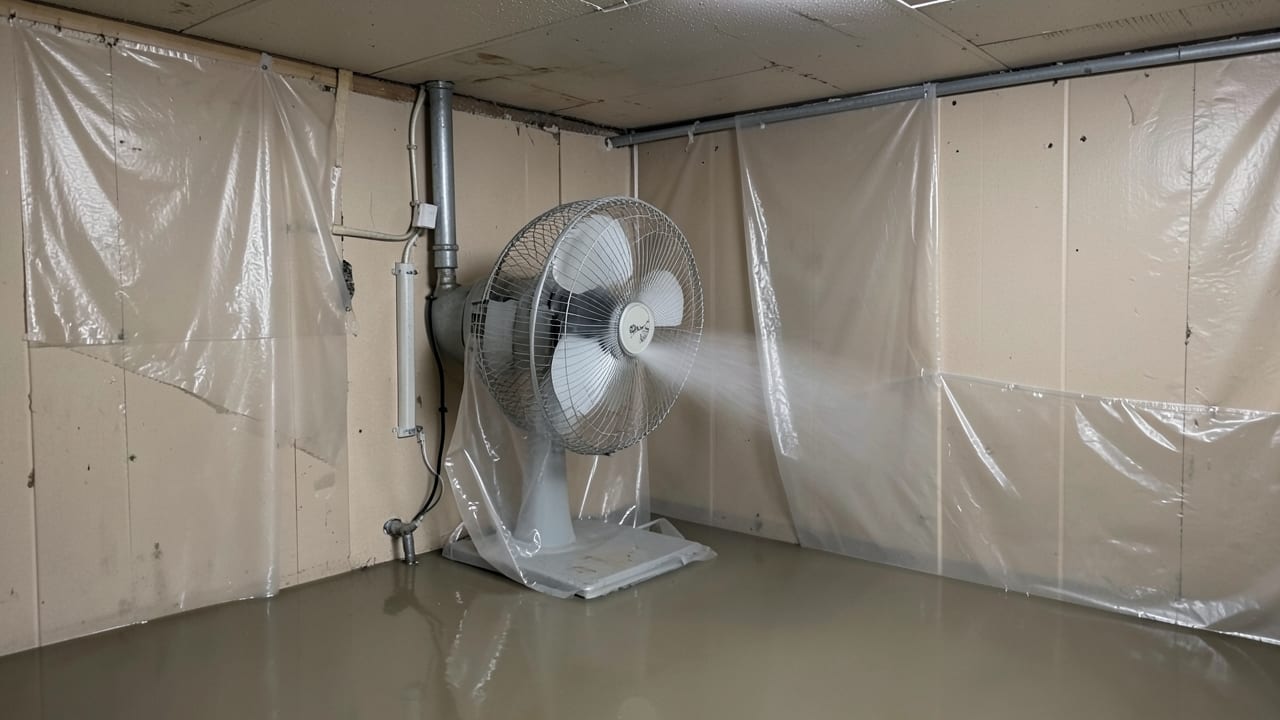
Storm Damage Mold Cleanup in Clarksville, KY
Professional cleanup and remediation of mold caused by storm-related water damage in homes.
Learn More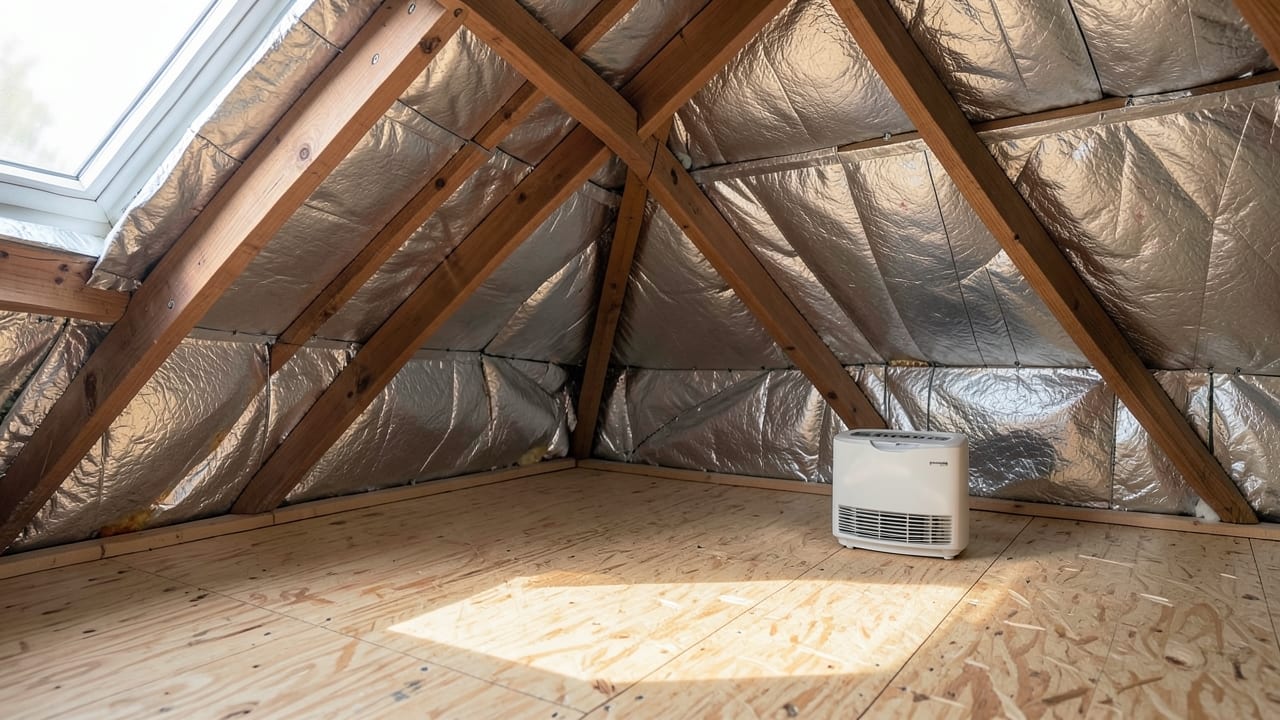
Pre-Winter Mold Prevention in Clarksville, KY
Pre-winter mold prevention involves inspection and treatment to stop mold growth before cold weather.
Learn More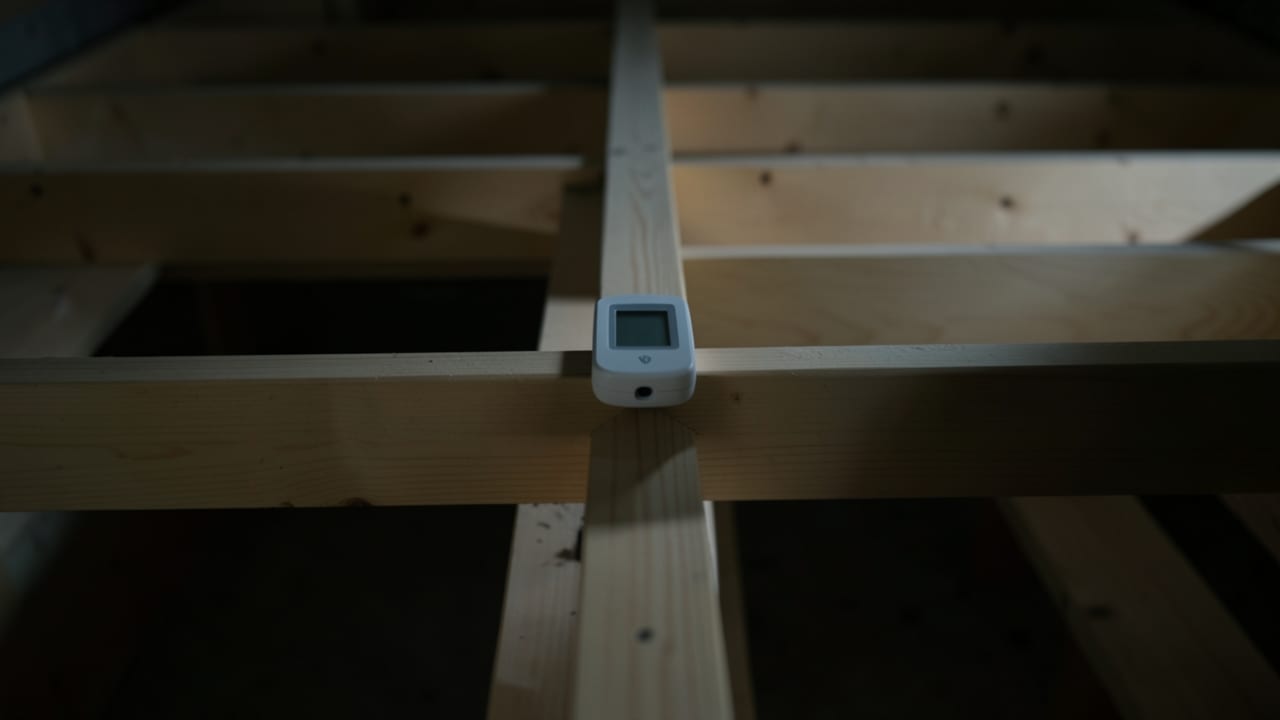
Spring Mold Inspection in Clarksville, KY
Professional assessment and identification of mold growth in homes.
Learn MoreCommon Questions About Mold Remediation in Clarksville
Everything you need to know about mold remediation services in Clarksville
How much does Roof Leak Mold Remediation typically cost in Clarksville, KY?
Why does Clarksville, KY's humidity make mold a bigger risk than in drier regions?
Is black mold actually more dangerous than other mold types?
How long does a typical mold remediation job take?
Is it safe to stay in the home during mold remediation?
Can small mold problems be handled without hiring anyone?
Need Mold Remediation in Clarksville?
Connect with local providers in Clarksville for a detailed quote.
⏰ We answer your call • Serving all of Clarksville and surrounding areas