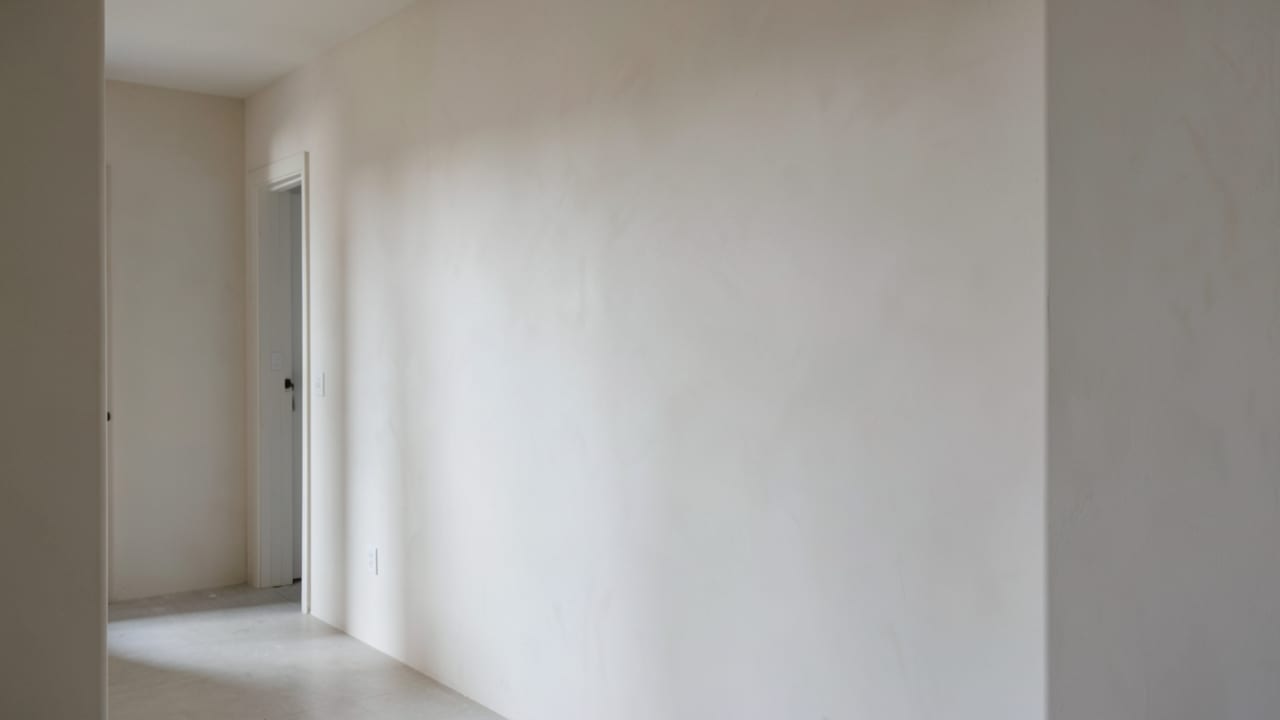
Plaster Mold Remediation
Professional removal and treatment of mold from plaster surfaces in homes.
Plaster mold remediation in Clarksville, KY, addresses mold growth on plaster walls and ceilings by removing contaminated materials and preventing regrowth. This process includes containment, safe removal, HEPA filtration, and structural drying to ensure hidden spores are eliminated and moisture sources are addressed.
Local experts follow strict protocols to handle both visible and hidden mold safely and effectively.
We also handle Mold & Asbestos Testing and HVAC Mold Remediation for Clarksville properties.
When plaster mold remediation is needed
Mold on plaster often signals deeper issues that require professional attention. Visible mold covering more than a small patch—typically over 25 square feet—is a clear sign that DIY methods may not be enough.
Repeated mold growth in the same spot after cleaning suggests an unresolved moisture problem, while musty odors with no visible mold often indicate hidden growth behind walls or under flooring.
Poor airflow in enclosed spaces like closets or windowless bathrooms can also contribute to persistent dampness. If mold appears after heavy rain or seasonal changes, it may be linked to foundation drainage or HVAC-related moisture. Addressing these signs early helps prevent further damage and health concerns.
Signs You Need Professional Plaster Mold Remediation
- Mold covers more than 25 square feet of plaster or keeps returning after cleaning
- A musty smell persists even after cleaning visible mold
- Mold appears in multiple rooms or along walls/ceilings
- You notice condensation or water stains behind or under plaster
- The affected area feels damp or cool to the touch, even after drying attempts
What affects cost and timeline
The size of the affected area is the primary factor in pricing and duration. A single room with surface-level mold typically costs between $480 and $1,930, but hidden mold behind plaster or in framing can increase both time and expense.
The presence of black mold (Stachybotrys) often requires additional precautions, raising costs by 15–25% for the same area.
Containment setup, HEPA filtration, and structural drying add time to the process, especially in larger or multi-room jobs. Clearance testing—required to confirm spore levels are safe—is usually priced separately and may extend the project by a day or more.
Fixing the moisture source (e.g., repairing leaks, improving ventilation) is essential to prevent recurrence and may involve additional labor or materials.
Why containment and testing matter
Containment—using plastic sheeting and negative-air machines—prevents spores from spreading during removal. Without it, disturbed mold can drift into unaffected areas, turning a small job into a larger one. HEPA air scrubbers and vacuums capture spores that standard equipment would miss, reducing the risk of cross-contamination.
Clearance testing by an independent lab confirms the work is complete. Surface or air sampling verifies spore levels are back to normal before containment is removed. Skipping this step leaves uncertainty about whether hidden mold remains, increasing the chance of regrowth.
Using non-HEPA vacuums or air scrubbers recirculates spores instead of capturing them. Rushing the job without proper containment or testing can leave mold hidden, leading to faster regrowth. Always insist on a written scope of work and post-remediation clearance testing to ensure the issue is fully addressed.
How plaster mold remediation works
This process ensures mold is removed safely and moisture sources are addressed to prevent recurrence.
- 1Containment Setup
Plastic sheeting seals off the work area, and negative-air machines create a vacuum to keep spores inside. This prevents contamination from spreading to other parts of the home during removal.
- 2Removal of Contaminated Materials
Porous materials like plaster with deep mold growth are cut out and bagged, while non-porous surfaces (e.g., tile, metal framing) are scrubbed and treated. Hidden mold behind walls or under flooring is exposed and addressed during this step.
- 3HEPA Filtration and Cleanup
HEPA air scrubbers run continuously to capture airborne spores, and surfaces are vacuumed with HEPA-filtered equipment. This ensures spores are removed from the air and work area rather than recirculated.
- 4Structural Drying
Industrial dehumidifiers and air movers dry framing and subfloors to normal moisture levels. Mold regrows on damp materials, so this step is critical to prevent recurrence.
- 5Clearance Testing
An independent lab tests air or surfaces for remaining spores. Only after clearance is confirmed is containment removed, and the area considered finished.
Frequently asked questions
How do I know if my plaster mold is too much for DIY cleaning?
If mold covers more than 25 square feet, keeps returning after cleaning, or you smell it without seeing it, professional remediation is recommended. DIY methods often miss hidden spores or moisture sources, leading to faster regrowth.
Will my insurance cover plaster mold remediation?
Some policies cover mold damage if it’s sudden (e.g., from a leak or storm), but pre-existing issues or poor maintenance may not be covered. Check your policy or contact your agent to confirm, as requirements vary by insurer.
How long does it take to remediate mold on plaster walls?
A single room typically takes 2–5 days, depending on the size, mold type, and whether hidden growth is found. Containment, drying, and clearance testing add time to ensure the job is thorough.
Can mold behind plaster walls be fixed without tearing it all out?
In some cases, professionals can remove only the contaminated plaster and repair the area. However, if mold has spread into framing or insulation, more extensive removal may be necessary to prevent recurrence.
See Watterson Park, KY for more, or check out the mold remediation work we do around Clarksville from start to finish for our complete lineup.
Ready to get started?
Talk to a local mold remediation pro in Clarksville — get a written quote.
Other Mold Remediation Services in Clarksville

Mold & Asbestos Testing in Clarksville, KY
Combined mold and asbestos testing in Clarksville, KY — one inspection visit, lab-verified results for both.
Learn More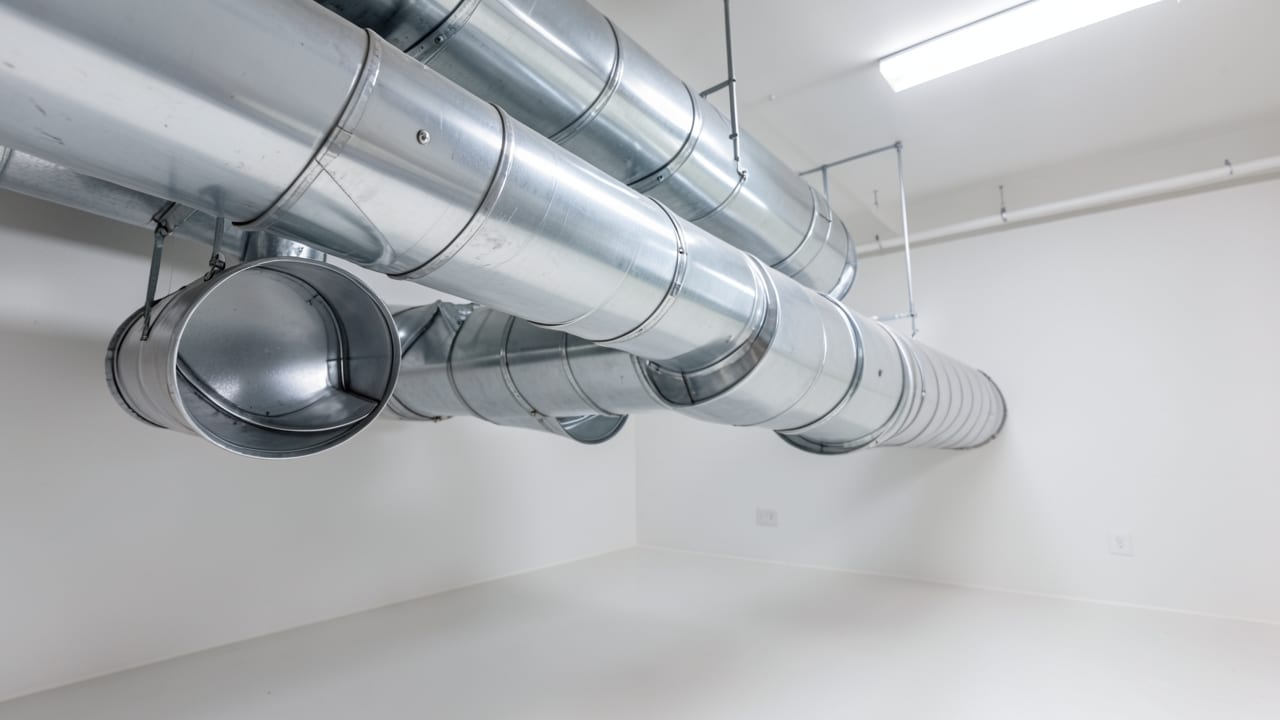
HVAC Mold Remediation in Clarksville, KY
HVAC and ductwork mold remediation in Clarksville, KY — mold growing inside the air handler or duct system, spreading through every vent.
Learn More
Drywall Mold Remediation in Clarksville, KY
Professional removal and treatment of mold growth behind or on drywall surfaces.
Learn More
Bathroom Mold Removal in Clarksville, KY
Professional assessment and removal of mold in bathrooms to restore a safe, clean environment.
Learn More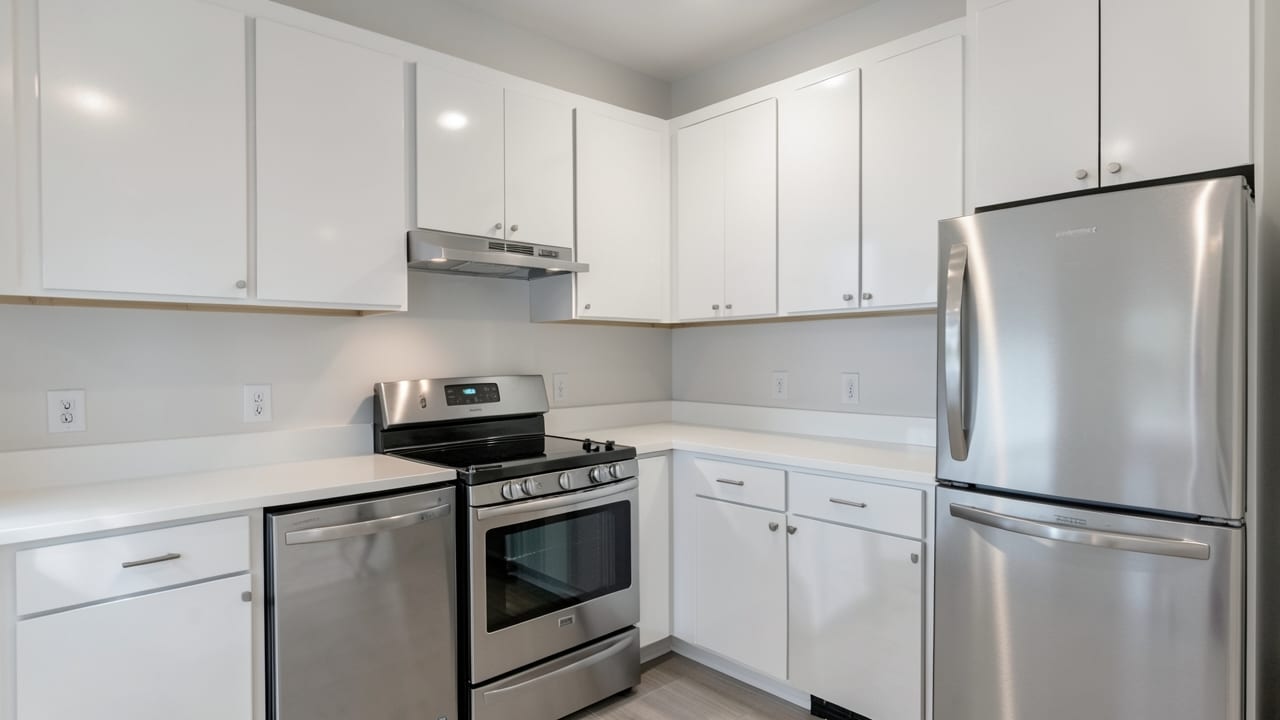
Kitchen Mold Cleanup in Clarksville, KY
Professional assessment and removal of mold in kitchen areas to restore a safe, clean environment.
Learn More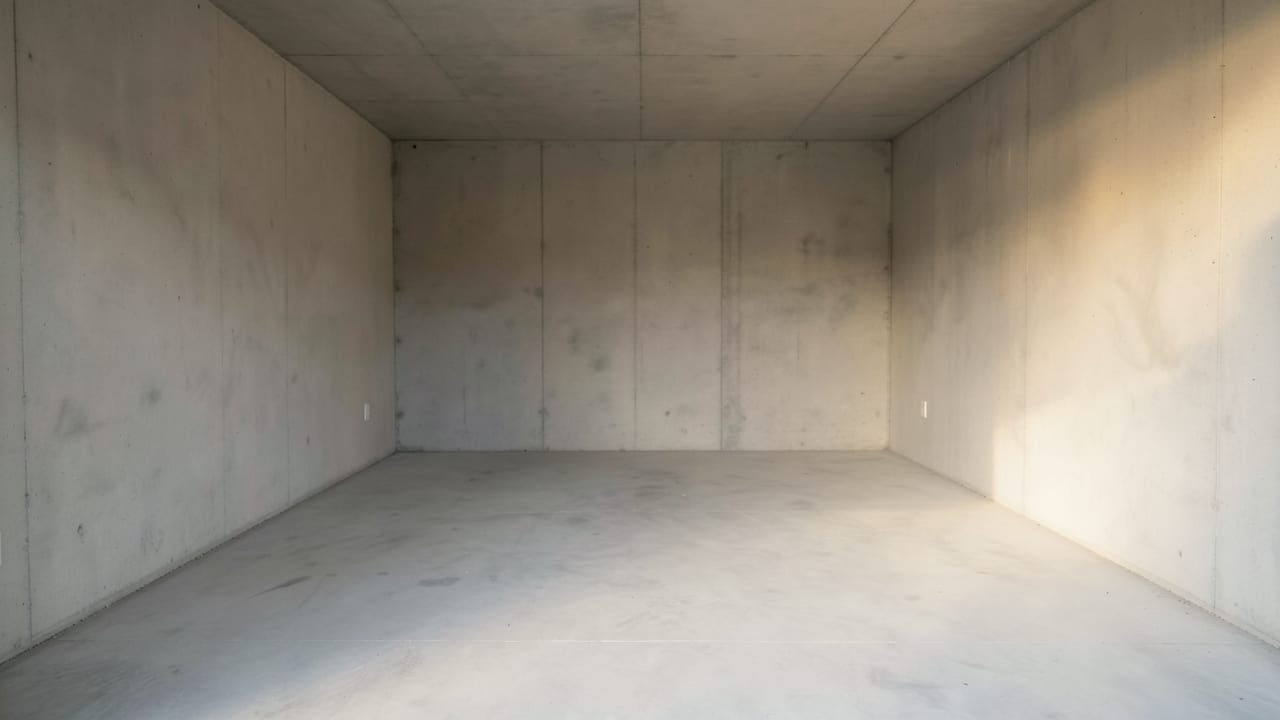
Garage Mold Removal in Clarksville, KY
Professional assessment and removal of mold growth in garages to restore a safe, clean space.
Learn MoreCommon Questions About Mold Remediation in Clarksville
Everything you need to know about mold remediation services in Clarksville
How much does Plaster Mold Remediation typically cost in Clarksville, KY?
Why does Clarksville, KY's humidity make mold a bigger risk than in drier regions?
Can small mold problems be handled without hiring anyone?
What's the actual difference between mold removal and mold remediation?
Is a final clearance test part of a typical mold remediation job?
How does mold remediation actually prevent the problem from coming back?
Need Mold Remediation in Clarksville?
Connect with local providers in Clarksville for a detailed quote.
⏰ We answer your call • Serving all of Clarksville and surrounding areas