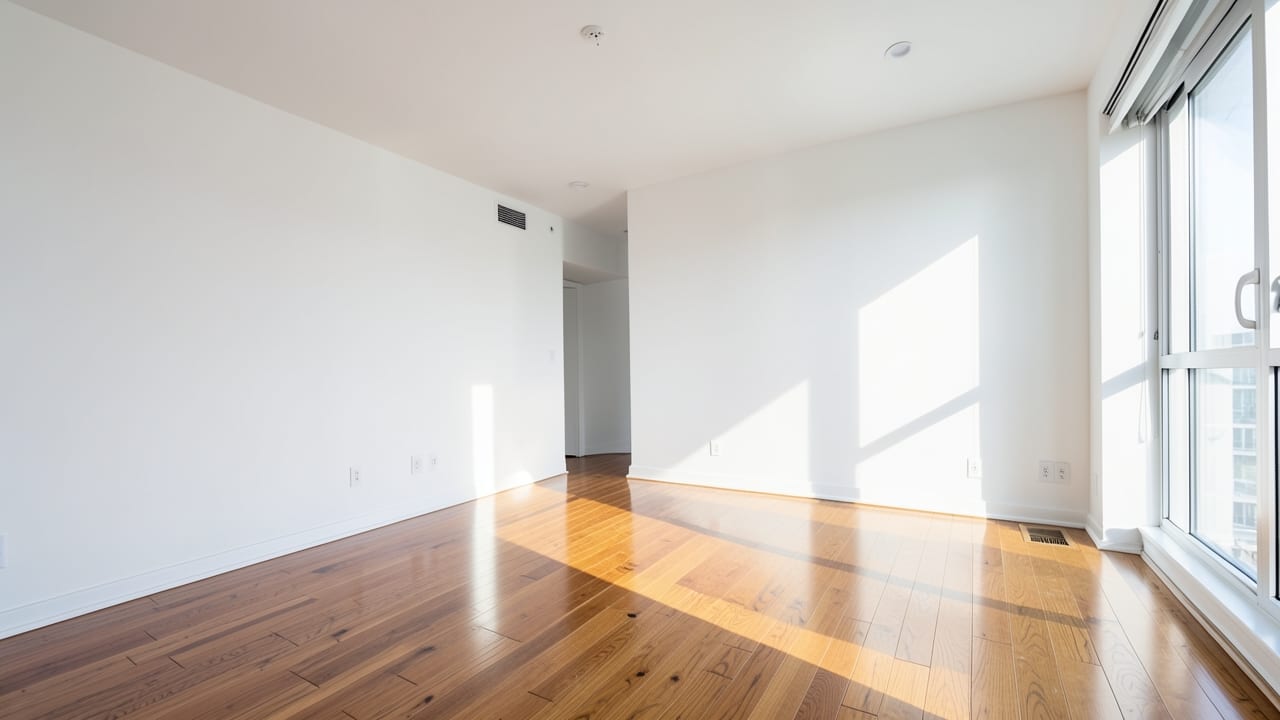
Condo Mold Remediation
Professional removal and treatment of mold in condominiums to restore safe, healthy living spaces.
Condo mold remediation in Clarksville, KY, focuses on safely removing mold growth from shared and individual units while preventing recurrence. This process includes sealing off affected areas, removing contaminated materials, and addressing moisture sources to ensure long-term results.
Proper ventilation and containment are critical to avoid spreading spores throughout the property.
We also handle Spring Mold Inspection and Post-Remediation Sealing for Clarksville properties.
When mold remediation is needed
Mold covering more than a small, isolated patch typically requires professional remediation. If mold keeps returning after cleaning, it usually means the moisture source hasn’t been addressed. A musty smell without visible mold often indicates hidden growth, especially in walls or ductwork.
In Clarksville’s humid climate, rooms like bathrooms, basements, and closets with poor airflow are common trouble spots. If mold spreads across more than 25 contiguous square feet, it’s generally beyond a DIY fix and should be handled by a licensed contractor following state standards.
Signs You Need Mold Remediation
- Mold covering more than a small, isolated patch (25+ sq ft is a common threshold)
- Mold that keeps returning after cleaning, suggesting an unresolved moisture issue
- A musty smell with no visible mold, often indicating hidden growth
- Visible mold in multiple rooms or spreading through HVAC vents
What affects pricing and timing
The size of the affected area, the type of materials involved, and whether hidden growth is discovered during removal all influence the cost. Containment and clearance testing are often priced separately, so a low initial quote may not reflect the full scope of work.
In Clarksville, remediation typically follows the IICRC S520 protocol, which includes containment, removal, drying, and post-remediation testing. Complex cases, such as mold behind walls or in ductwork, may require additional labor and materials.
Why containment and testing matter
Containment prevents spores from spreading to unaffected areas during removal. Plastic sheeting and negative-air machines seal the work zone, while HEPA-filtered equipment captures spores instead of recirculating them. Without proper containment, spores can drift into hallways, HVAC systems, or other rooms.
Post-remediation clearance testing confirms spore counts are back to normal levels. This step is critical because it verifies the work was effective and helps prevent regrowth. Skipping testing leaves no independent record of whether the mold was fully addressed.
How condo mold remediation works
Professional remediation follows a structured process to safely remove mold and prevent recurrence.
- 1Containment
Plastic sheeting and negative-air machines seal the affected area to prevent spores from spreading. This step is critical in condos, where shared spaces or HVAC systems can distribute contamination.
- 2Removal of Contaminated Materials
Porous materials like drywall, insulation, or carpet padding that absorb mold are cut out and bagged. Non-porous surfaces, such as tile or framing, are scrubbed and treated instead of discarded.
- 3Structural Drying
Industrial dehumidifiers and air movers reduce moisture levels in framing and subfloors to prevent regrowth. Mold can return if damp materials are left untreated.
- 4HEPA Filtration and Cleanup
HEPA-filtered air scrubbers and vacuums capture spores during removal. Standard shop vacuums or non-HEPA filters do not stop spores from recirculating.
- 5Clearance Testing
An independent lab tests air or surfaces post-remediation to confirm spore levels are normal. This step ensures the work meets state standards and reduces the risk of recurrence.
Frequently asked questions
How do I know if my condo’s mold problem is serious enough for professional help?
If mold covers more than a small patch (typically 25+ square feet), keeps returning after cleaning, or you notice a musty smell without visible growth, it’s likely time for professional remediation. Hidden mold—like in walls or ductwork—often requires specialized tools and training to address safely.
Will remediation fix the problem permanently?
Remediation removes existing mold, but preventing regrowth depends on fixing the moisture source—like leaks, condensation, or poor ventilation. Without addressing the root cause, mold can return within months. Post-remediation testing helps confirm whether spore levels are back to normal.
Do I need to evacuate my unit during remediation?
It depends on the scope of the work. If containment is properly set up, you may not need to leave, but some crews recommend limiting time in the area until testing confirms it’s safe. Check with your provider for specific guidance based on your condo’s layout.
How long does the entire process take?
Simple cases may take a day or two, while complex jobs—like mold behind walls or in ductwork—can take a week or longer. Drying time is often the longest step, as framing and subfloors must reach normal moisture levels before the area is considered finished.
See Lincolnshire, KY for more, or discover the rest of our Clarksville lineup by service type for our complete lineup.
Ready to get started?
Talk to a local mold remediation pro in Clarksville — get a written quote.
Other Mold Remediation Services in Clarksville
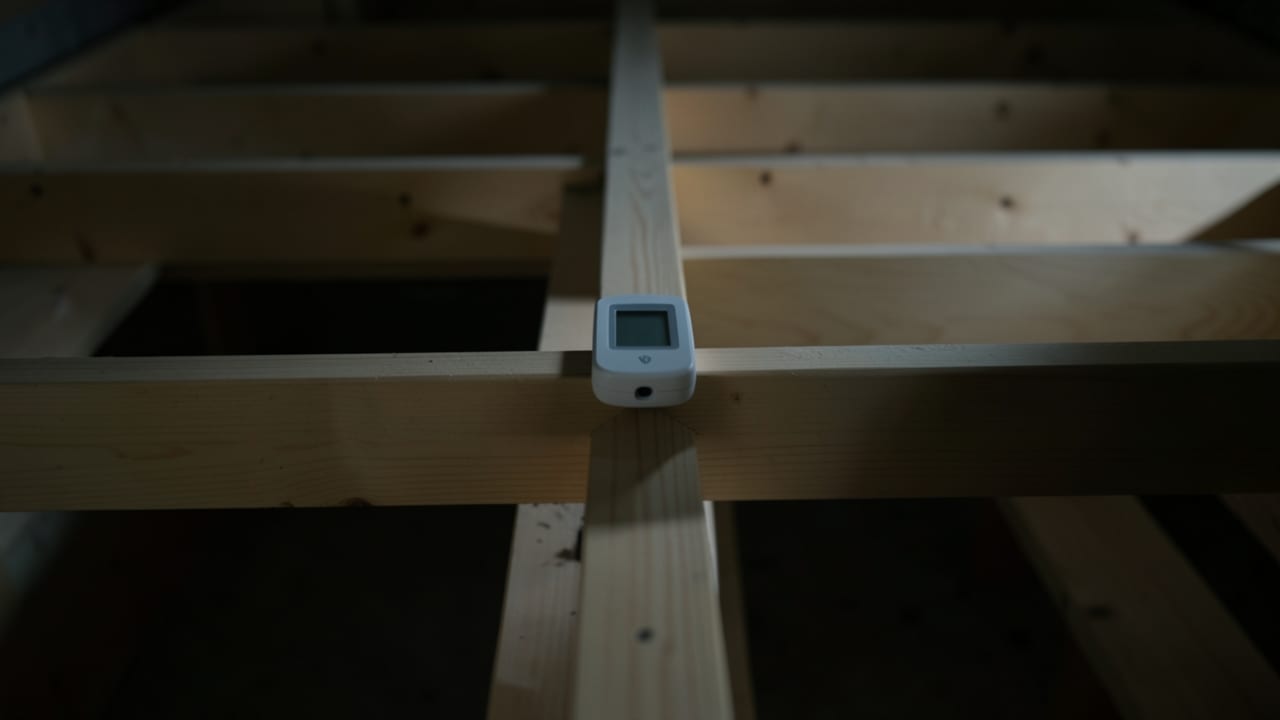
Spring Mold Inspection in Clarksville, KY
Professional assessment and identification of mold growth in homes.
Learn More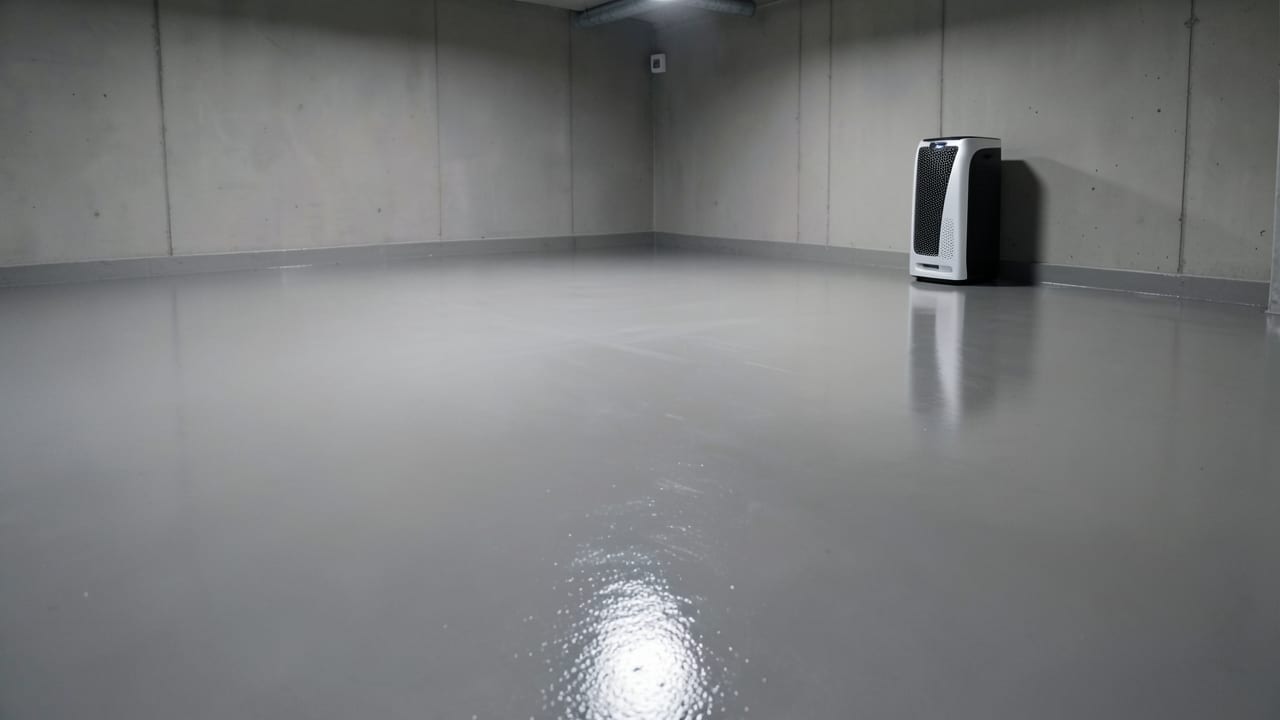
Post-Remediation Sealing in Clarksville, KY
Applying protective sealants to surfaces after mold remediation to prevent future growth.
Learn More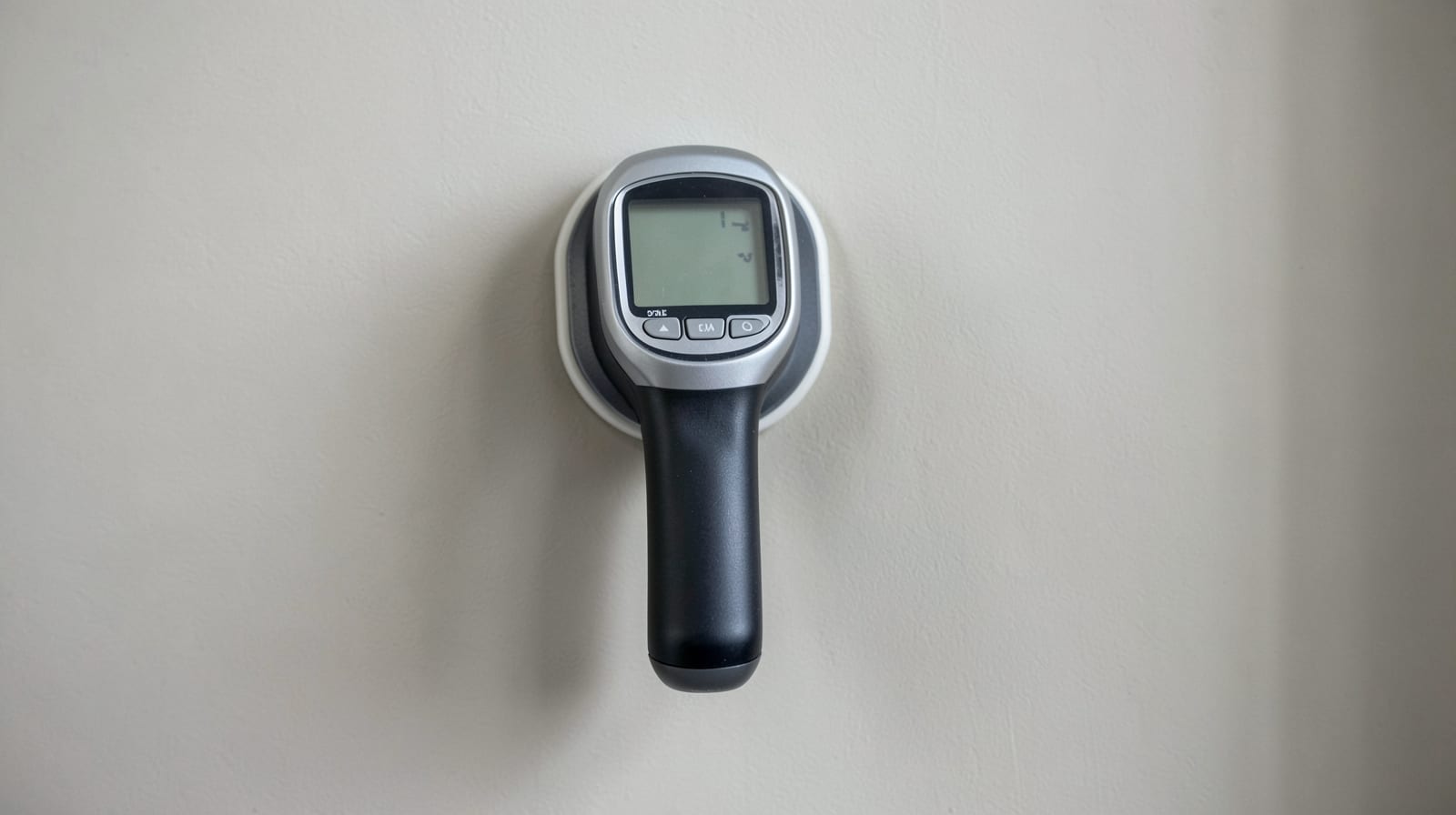
Mold Inspection in Clarksville, KY
Mold inspection in Clarksville, KY — a visual and moisture-meter assessment that finds the source of growth, not just the visible spot on the wall.
Learn More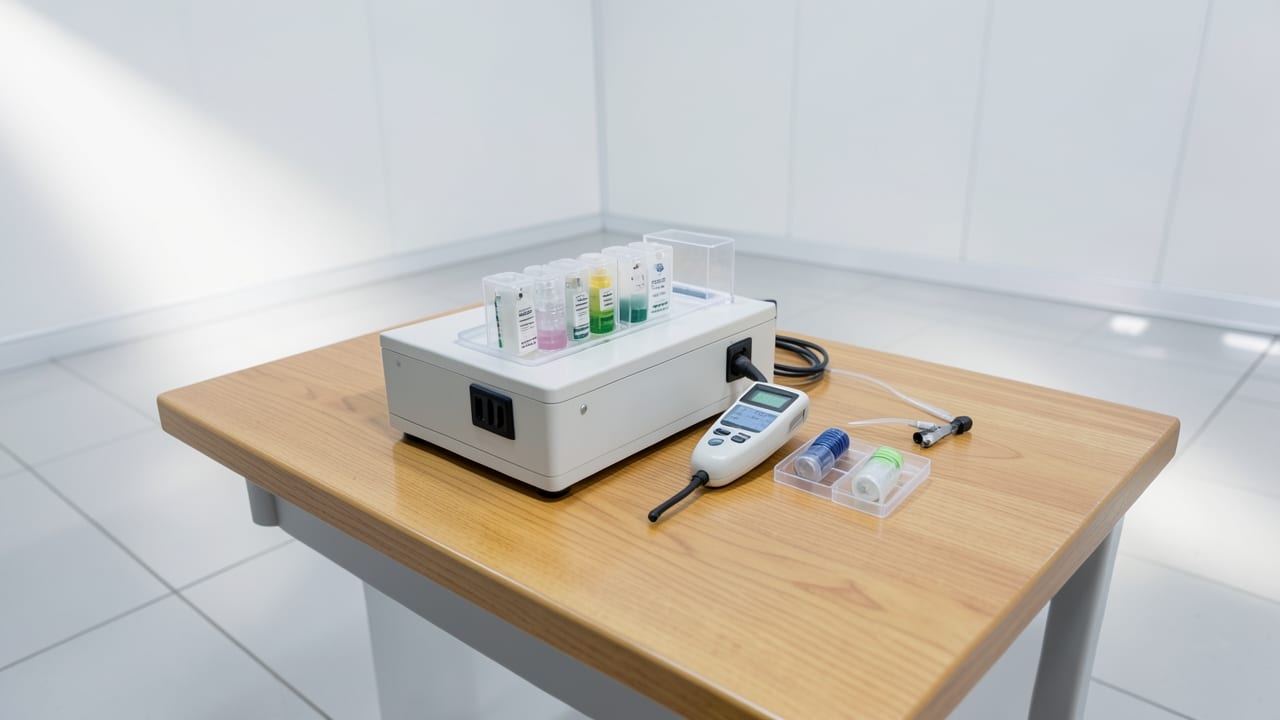
Mold Testing & Air Quality Testing in Clarksville, KY
Mold and indoor air quality testing in Clarksville, KY — lab-analyzed air and surface samples confirm what's actually growing and whether it's airborne.
Learn More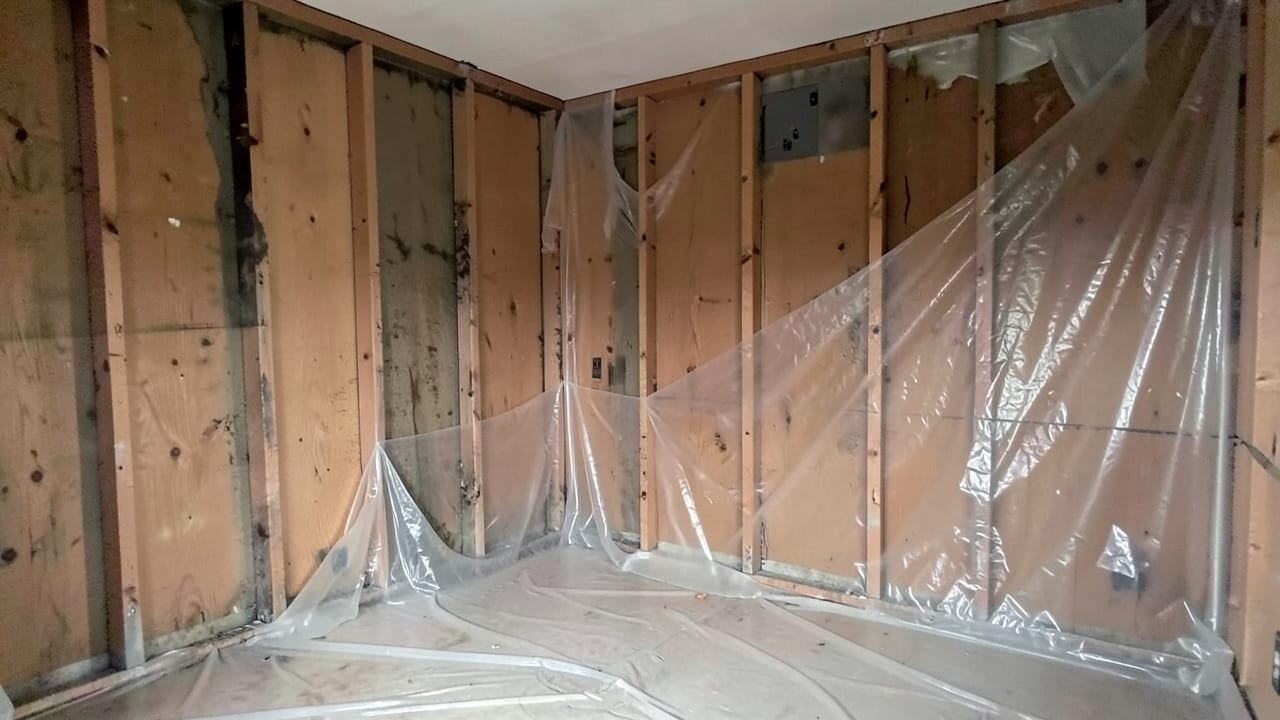
Mold Removal & Remediation in Clarksville, KY
Mold removal and remediation in Clarksville, KY — containment, HEPA filtration, and removal of affected material following industry (IICRC S520) protocol.
Learn More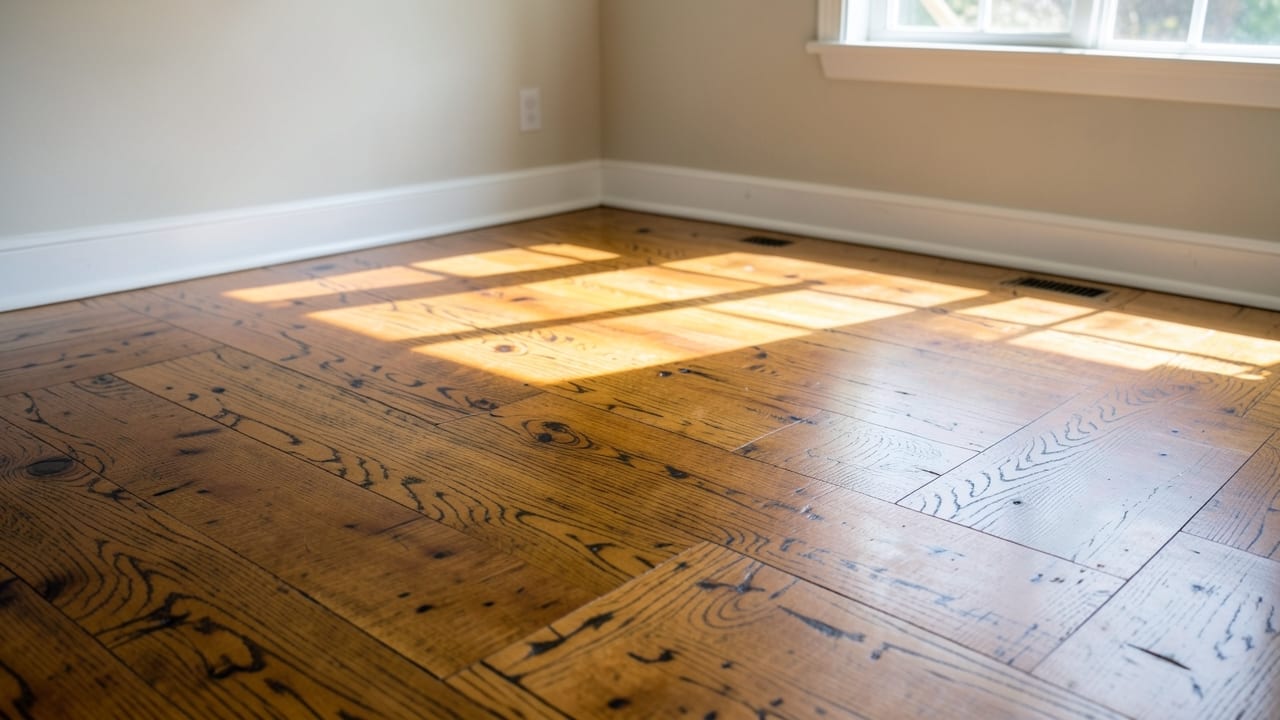
Water Damage Restoration in Clarksville, KY
Water damage restoration in Clarksville, KY — extraction and structural drying to stop mold growth before it starts, following a leak, storm, or flood.
Learn MoreCommon Questions About Mold Remediation in Clarksville
Everything you need to know about mold remediation services in Clarksville
How much does Condo Mold Remediation typically cost in Clarksville, KY?
Why does Clarksville, KY's humidity make mold a bigger risk than in drier regions?
Is a final clearance test part of a typical mold remediation job?
How does mold remediation actually prevent the problem from coming back?
Can mold growing inside HVAC ductwork spread to the rest of a home?
Does mold mean the same thing as mildew?
Need Mold Remediation in Clarksville?
Connect with local providers in Clarksville for a detailed quote.
⏰ We answer your call • Serving all of Clarksville and surrounding areas