
Sunroom Mold Remediation
Professional removal and treatment of mold in sunrooms to restore a safe, clean space.
Sunroom mold remediation in Clarksville, KY, targets enclosed spaces prone to moisture buildup, where mold can spread undetected on walls, ceilings, and furniture. Proper containment, removal, and drying prevent spores from migrating to other areas of your home, ensuring a safer, healthier space.
This process follows strict protocols to address both visible growth and hidden moisture sources.
We also handle Fire Smoke Mold Remediation and Storm Damage Mold Cleanup for Clarksville properties.
When to call for sunroom mold remediation
Mold in sunrooms often starts small but can quickly become a larger issue if ignored. Look for visible growth covering more than a few square feet, recurring mold after cleaning, or a musty odor with no visible source.
These signs indicate the problem may be hidden behind walls, under flooring, or inside ductwork, requiring professional intervention.
Sunrooms are especially vulnerable due to their enclosed nature and potential for condensation. Poor ventilation, leaks, or grading issues that direct water toward the foundation can create the ideal conditions for mold to thrive. Addressing the moisture source is just as critical as removing the mold itself to prevent regrowth.
Signs You Need Sunroom Mold Remediation
- Mold covers more than 25 contiguous square feet (a common threshold for professional intervention).
- Mold keeps returning to the same spot after cleaning, suggesting an unresolved moisture issue.
- A musty smell persists even when no visible mold is present, often indicating hidden growth.
- The HVAC system spreads the smell throughout the house, hinting at contamination in ductwork.
What affects cost and timeline?
The cost of sunroom mold remediation in Clarksville varies based on the size of the affected area, the extent of the mold, and whether hidden growth is discovered during the process.
Surface-level mold on drywall or tile typically falls within a predictable range, but black mold or extensive damage can increase the total.
Timing depends on containment setup, removal of contaminated materials, drying, and clearance testing. Jobs that uncover hidden moisture sources or require structural repairs may take longer than initially estimated. Always confirm whether the quote includes inspection, testing, and clearance verification to avoid unexpected costs.
What to expect during remediation
Professional sunroom mold remediation follows a structured process to ensure spores are contained and the space is fully restored. Containment is critical—plastic sheeting and negative-air machines isolate the work area, preventing spores from spreading to other parts of your home.
Non-porous surfaces are cleaned and treated, while porous materials like drywall are removed and disposed of properly.
After removal, industrial dehumidifiers and air movers dry the affected framing and subfloor to prevent future growth. Clearance testing by an independent third party confirms the space is safe before containment is removed.
This step ensures the job is thorough, though it does not promise the mold will never return without addressing the moisture source.
| Step | Purpose |
|---|---|
| Containment | Seals the work area to prevent spore migration. |
| Material Removal | Cuts out porous materials (e.g., drywall) and cleans non-porous surfaces. |
| HEPA Filtration | Uses HEPA air scrubbers and vacuums to capture airborne spores. |
| Structural Drying | Reduces moisture in framing/subfloor to prevent regrowth. |
| Clearance Testing | Confirms spore levels are back to normal before completion. |
How sunroom mold remediation works
- 1Containment Setup
Plastic sheeting and negative-air machines isolate the sunroom, creating a sealed work zone to prevent spores from spreading during removal.
- 2Material Removal and Cleaning
Porous materials like drywall and insulation, which cannot be fully cleaned, are cut out and bagged. Non-porous surfaces like tile and framing are scrubbed and treated with antifungal solutions.
- 3HEPA Filtration and Vacuuming
HEPA-filtered air scrubbers run continuously to capture airborne spores, and surfaces are vacuumed with HEPA-equipped tools to prevent recirculation.
- 4Structural Drying
Industrial dehumidifiers and air movers dry the framing and subfloor to normal moisture levels, reducing the risk of future mold growth.
- 5Clearance Testing
An independent lab tests air or surface samples to confirm spore counts are within normal ranges before containment is removed.
Frequently asked questions
Can I clean small mold patches in my sunroom myself?
Small, isolated patches (under 25 square feet) can often be cleaned with detergent, water, and a HEPA vacuum. However, if the mold keeps returning or covers a larger area, professional remediation is recommended to ensure containment and address hidden moisture sources.
Why does my sunroom keep getting mold even after cleaning?
Recurring mold usually means the moisture source—such as a leak, poor ventilation, or grading issues—wasn’t fixed. Remediation removes visible growth, but without resolving the root cause, spores will continue to thrive in damp conditions.
Do I need to leave the house during sunroom mold remediation?
You may be asked to vacate the area during active removal to avoid inhaling spores, even with containment. However, the crew will provide guidance based on the scope of the job and local safety protocols.
How long does it take to remediate a sunroom?
Timing varies by job complexity, but containment, removal, drying, and testing typically take 1–3 days. Jobs with hidden mold or structural repairs may require additional time.
See Hillview, KY for more, or find out about every option available in Clarksville for our complete lineup.
Ready to get started?
Talk to a local mold remediation pro in Clarksville — get a written quote.
Other Mold Remediation Services in Clarksville
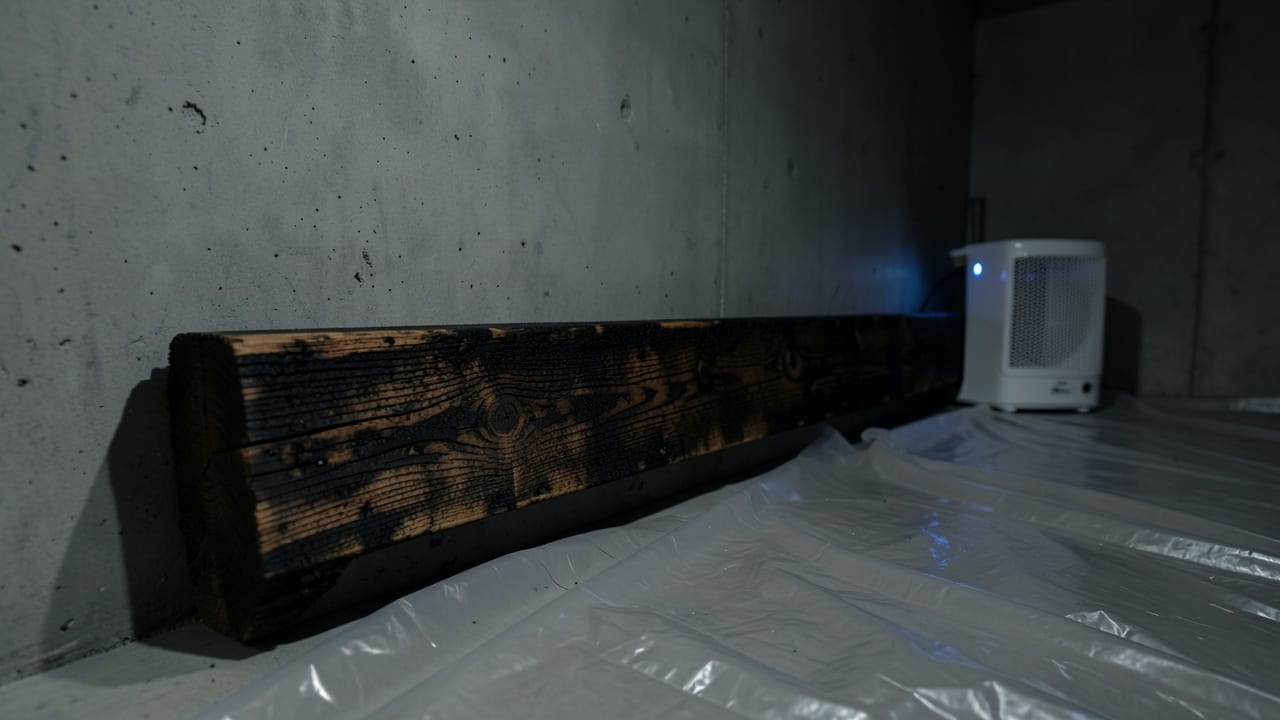
Fire Smoke Mold Remediation in Clarksville, KY
Professional cleanup and restoration of fire, smoke, and mold damage in homes.
Learn More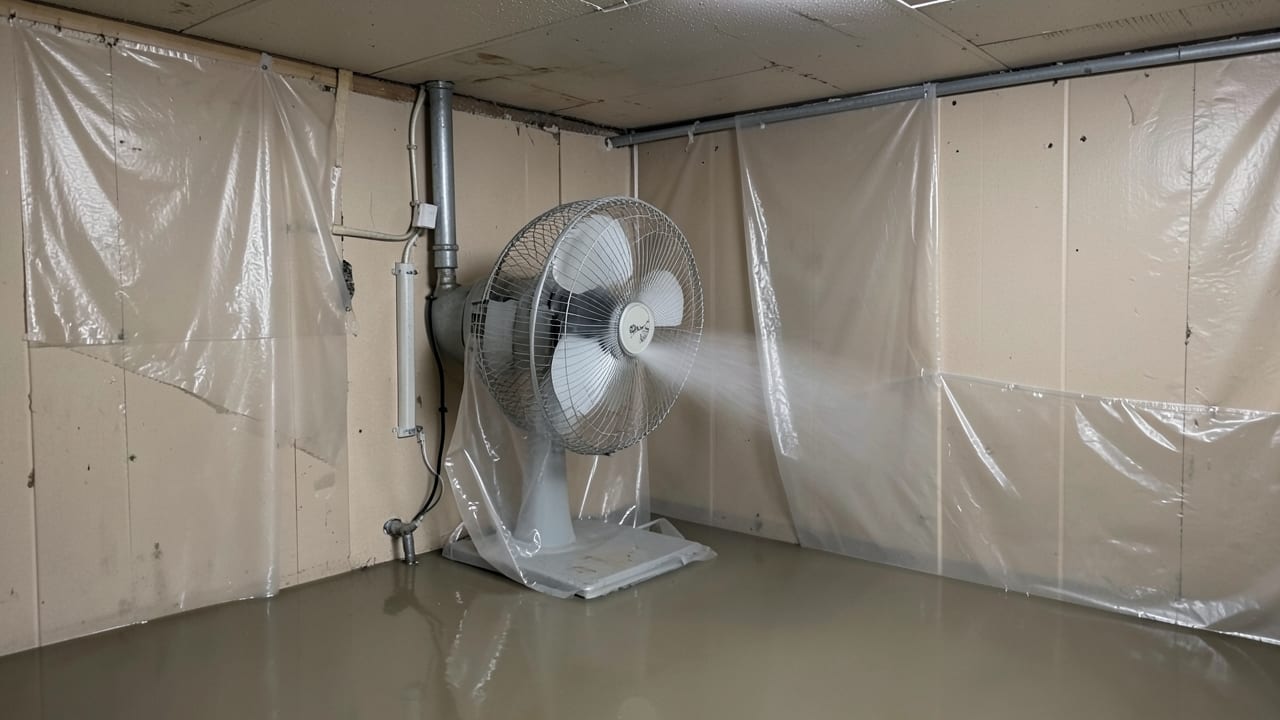
Storm Damage Mold Cleanup in Clarksville, KY
Professional cleanup and remediation of mold caused by storm-related water damage in homes.
Learn More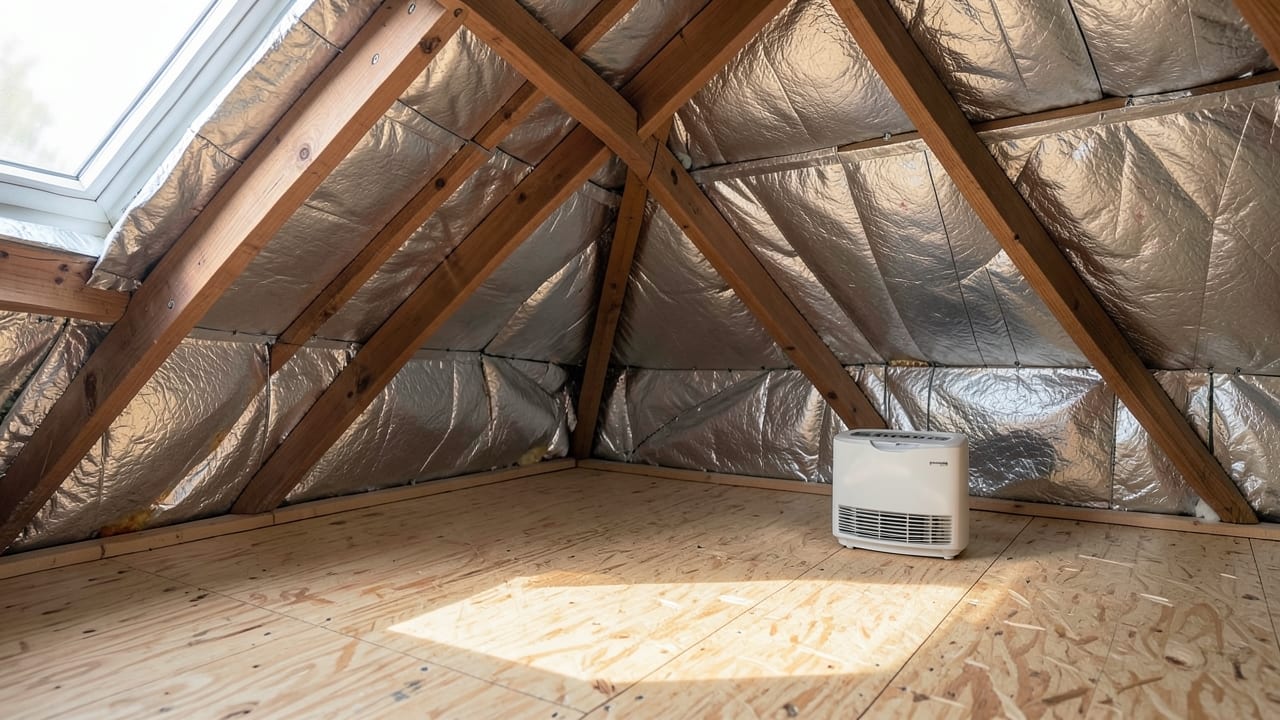
Pre-Winter Mold Prevention in Clarksville, KY
Pre-winter mold prevention involves inspection and treatment to stop mold growth before cold weather.
Learn More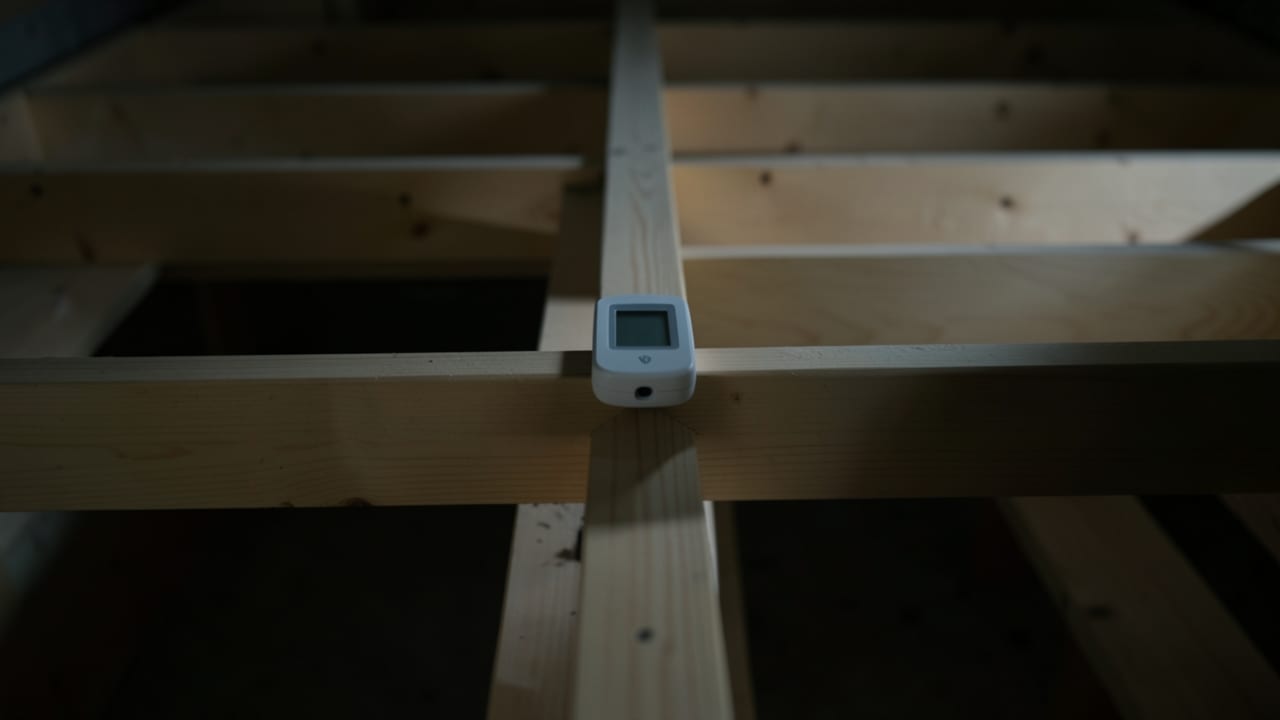
Spring Mold Inspection in Clarksville, KY
Professional assessment and identification of mold growth in homes.
Learn More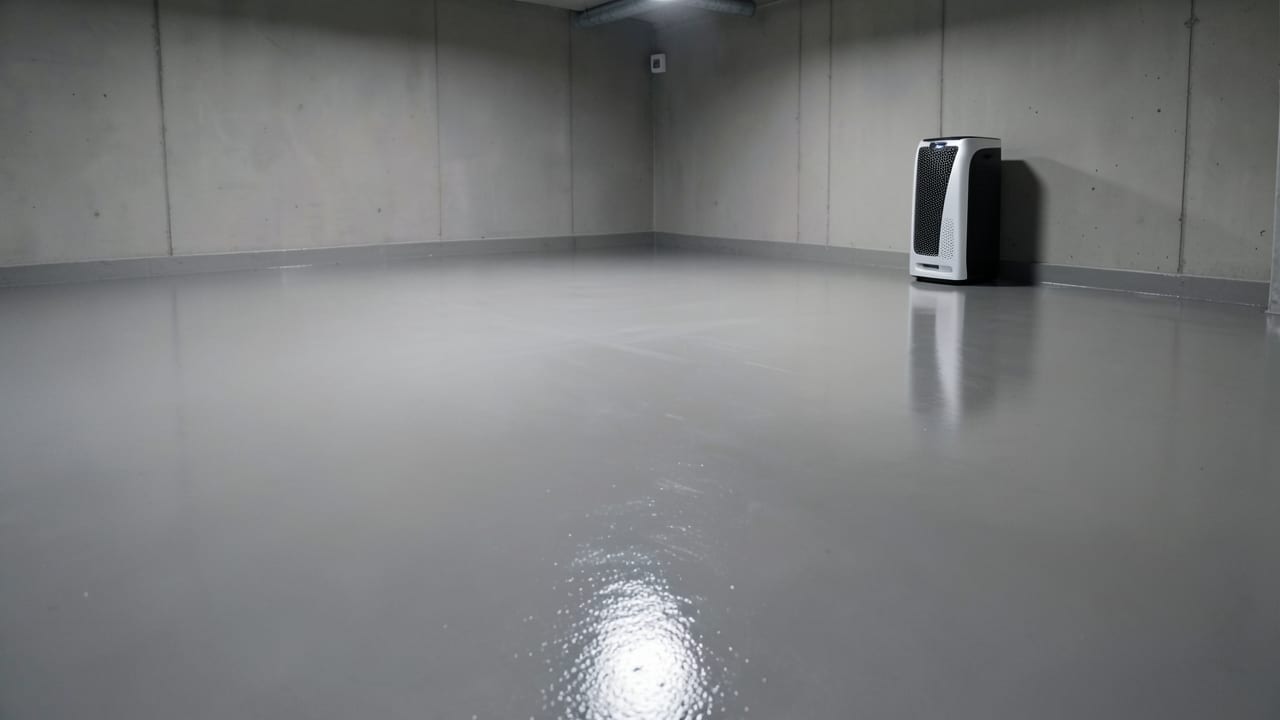
Post-Remediation Sealing in Clarksville, KY
Applying protective sealants to surfaces after mold remediation to prevent future growth.
Learn More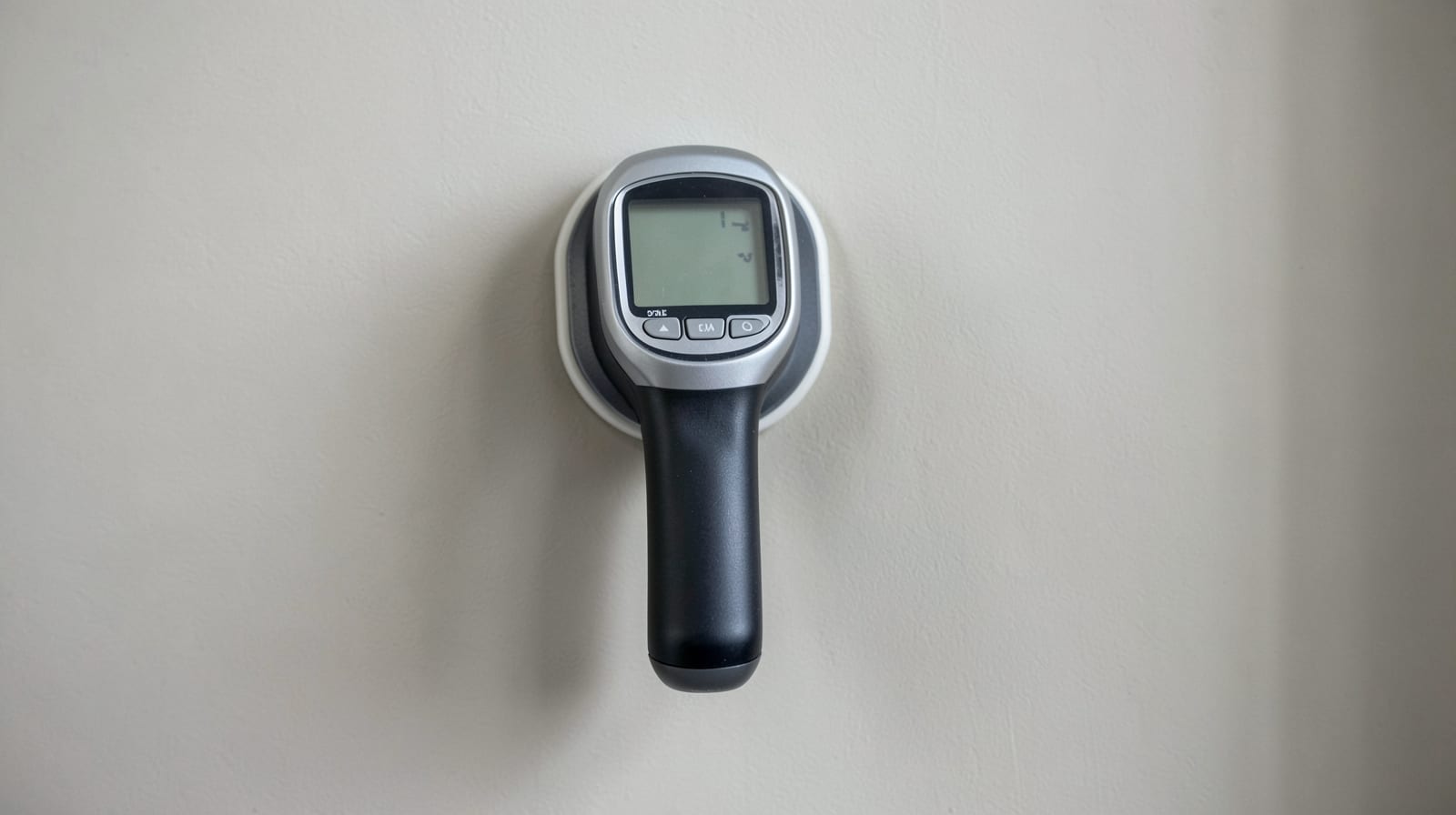
Mold Inspection in Clarksville, KY
Mold inspection in Clarksville, KY — a visual and moisture-meter assessment that finds the source of growth, not just the visible spot on the wall.
Learn MoreCommon Questions About Mold Remediation in Clarksville
Everything you need to know about mold remediation services in Clarksville
How much does Sunroom Mold Remediation typically cost in Clarksville, KY?
Why does Clarksville, KY's humidity make mold a bigger risk than in drier regions?
Does homeowners insurance typically cover mold remediation?
Is black mold actually more dangerous than other mold types?
How long does a typical mold remediation job take?
Is it safe to stay in the home during mold remediation?
Need Mold Remediation in Clarksville?
Connect with local providers in Clarksville for a detailed quote.
⏰ We answer your call • Serving all of Clarksville and surrounding areas