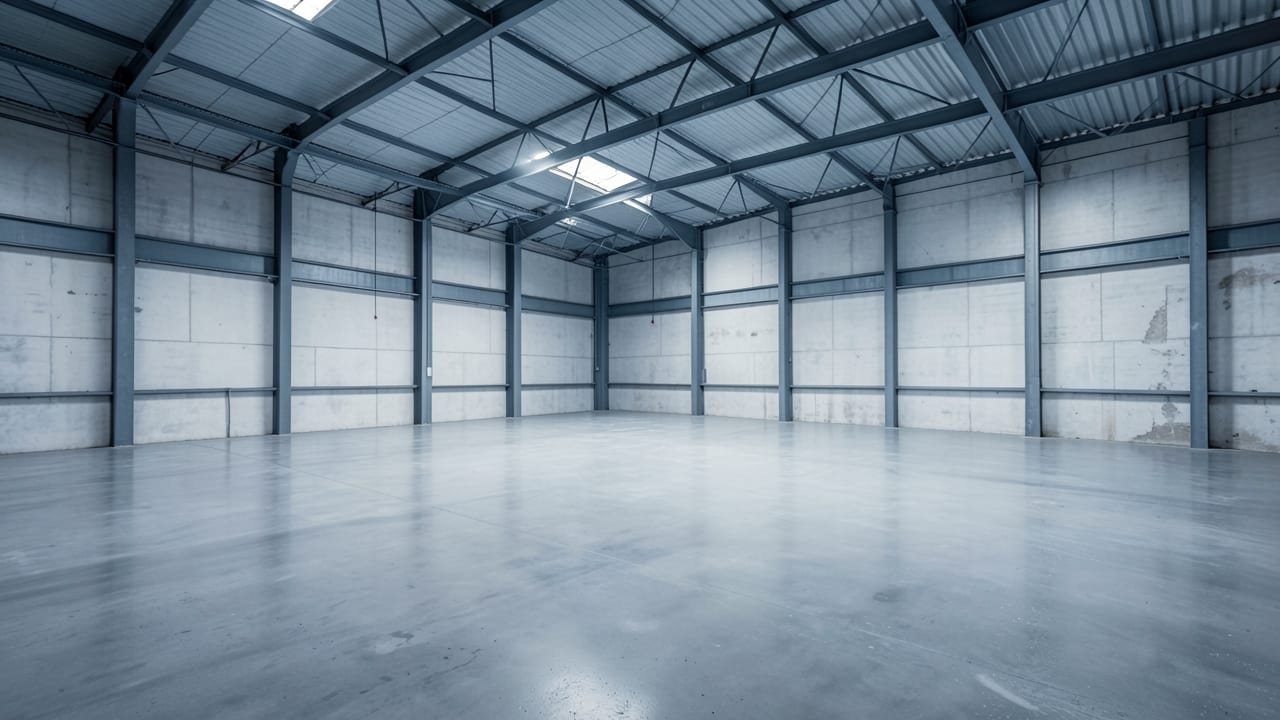
Warehouse Mold Cleanup
Professional removal of mold from warehouse spaces to restore safe, clean conditions.
Warehouse mold cleanup in Clarksville, KY, involves identifying and removing mold growth in storage or industrial spaces, including containment, air filtration, and thorough cleaning or disposal of affected materials to prevent further spread.
This process ensures that mold does not spread to other areas of the property, protecting both health and structural integrity.
We also handle Stone Countertop Mold Removal and Metal Ductwork Mold Remediation for Clarksville properties.
When is mold cleanup needed?
Mold growth in Clarksville homes often starts small but can quickly become a larger issue if ignored. Signs that mold cleanup is necessary include visible mold covering more than a small patch, persistent regrowth after cleaning, or a musty smell with no visible source.
Hidden growth, such as behind walls or under flooring, is common and often spreads through HVAC systems.
If mold covers more than 25 contiguous square feet, it is typically beyond the scope of DIY cleanup and requires professional intervention.
A musty odor that worsens when the HVAC system runs may indicate mold in ductwork, while damp areas like basements or windowless rooms are high-risk zones for hidden mold.
Signs You Need Professional Mold Cleanup
- Mold covers more than a small, isolated patch (e.g., over 25 square feet).
- Mold keeps returning to the same spot after cleaning.
- A musty smell persists with no visible mold source.
- The odor worsens when the HVAC system is running, suggesting ductwork contamination.
How mold cleanup is priced in Clarksville
Pricing for mold cleanup in Clarksville varies depending on the scope of the project, the size of the affected area, and the complexity of the work. Unlike residential projects, which often have a per-square-foot baseline, warehouse or large-scale mold cleanup is typically priced after a site visit.
Factors like containment requirements, documentation needs, and whether the work can be done without disrupting daily life all influence the final cost.
For example, stricter containment and testing protocols in certain areas may increase costs, while the ability to work after hours or in phases can add to labor expenses. Always request a detailed, written scope of work to avoid unexpected charges later.
What to watch for in a mold cleanup contract
Not all mold cleanup contracts are created equal. A legitimate contract should clearly outline what is included in the estimate, such as inspection, testing, remediation, and clearance testing.
Avoid contracts that exclude containment or testing, as these steps are critical to ensuring the mold is fully removed and does not return.
Red flags include bids that are significantly lower than others for the same scope, pressure to sign during the inspection visit, or requests for full payment before work begins. Always verify that the company follows Kentucky’s minimum operating standards for mold remediation, which include containment, documentation, and post-remediation reporting.
| Red Flag | Why It’s Concerning |
|---|---|
| No written, itemized scope of work | Makes it difficult to compare bids or hold the contractor accountable. |
| Bids dramatically lower than others for the same square footage | May indicate cutting corners on containment or testing. |
| Full payment requested before any work starts | Removes leverage if the job isn’t completed as promised. |
| No mention of post-remediation clearance testing | No independent confirmation that the mold was fully removed. |
How warehouse mold cleanup works
Mold cleanup follows a structured process to ensure containment and prevent further spread.
- 1Containment Setup
Plastic sheeting and negative-air machines seal off the affected area to prevent mold spores from spreading to other parts of the property during removal.
- 2Material Removal or Cleaning
Porous materials like drywall or insulation that absorb mold are cut out and bagged, while non-porous materials like framing or tile are scrubbed and treated.
- 3HEPA Filtration and Vacuuming
HEPA-filtered air scrubbers and vacuums capture airborne spores during the process, ensuring they do not recirculate into the air.
- 4Structural Drying
Industrial dehumidifiers and air movers reduce moisture levels in framing and subfloors to prevent regrowth after visible mold is removed.
- 5Clearance Testing
An independent post-remediation test confirms that spore counts are back to normal levels before the containment is removed.
Frequently asked questions
How do I know if my mold problem is too big for DIY cleanup?
If mold covers more than 25 square feet or keeps returning after cleaning, it’s typically beyond DIY scope. Hidden growth, like behind walls or in ductwork, also requires professional intervention to prevent further spread.
Will mold come back if it’s cleaned but the moisture source isn’t fixed?
Yes, mold will likely return if the underlying moisture issue—such as a leak or poor ventilation—isn’t addressed. Fixing the source is essential to preventing regrowth.
How long does the mold cleanup process usually take?
The timeline varies depending on the size of the affected area and the complexity of the work. Containment, removal, drying, and testing can take anywhere from a few days to over a week for larger spaces.
Do I need to be home during the mold cleanup?
It depends on the scope of the work. Some projects can be completed without disrupting daily life, while others may require you to vacate the area temporarily for safety and containment purposes.
See Lynnview, KY for more, or find out about what's included in our Clarksville service on a single page for our complete lineup.
Ready to get started?
Talk to a local mold remediation pro in Clarksville — get a written quote.
Other Mold Remediation Services in Clarksville
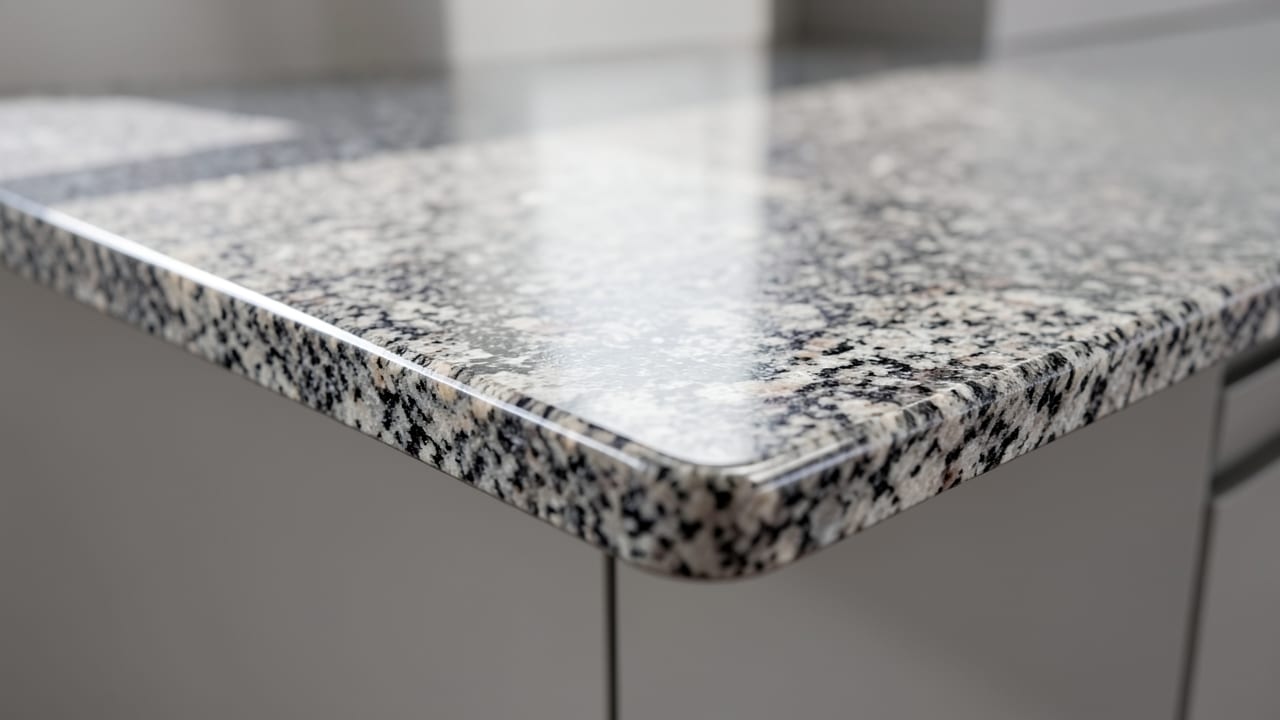
Stone Countertop Mold Removal in Clarksville, KY
Professional removal of mold from stone countertops using specialized cleaning and treatment methods.
Learn More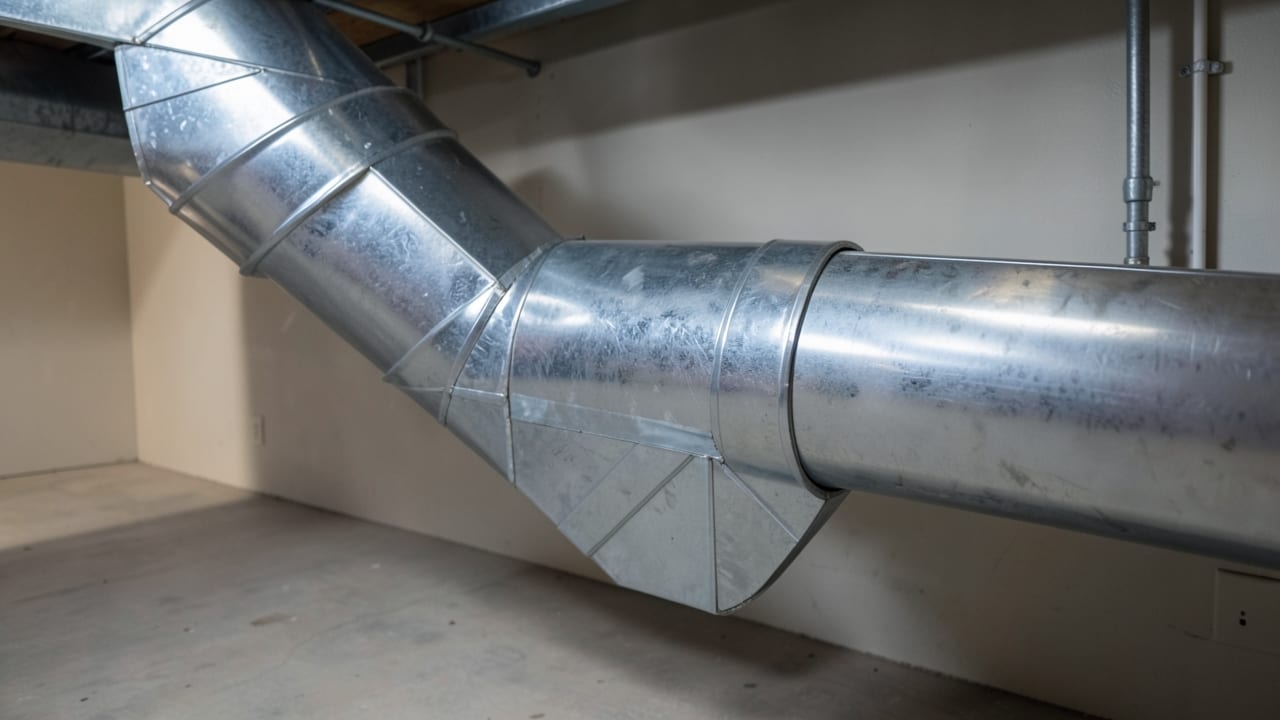
Metal Ductwork Mold Remediation in Clarksville, KY
Professional removal of mold from metal ductwork to restore indoor air quality.
Learn More
Glass Window Mold Removal in Clarksville, KY
Professional removal of mold from glass windows and frames to restore clarity and prevent spread.
Learn More
Balcony Mold Cleanup in Clarksville, KY
Professional removal and treatment of mold growth on balconies and adjacent structures.
Learn More
Sunroom Mold Remediation in Clarksville, KY
Professional removal and treatment of mold in sunrooms to restore a safe, clean space.
Learn More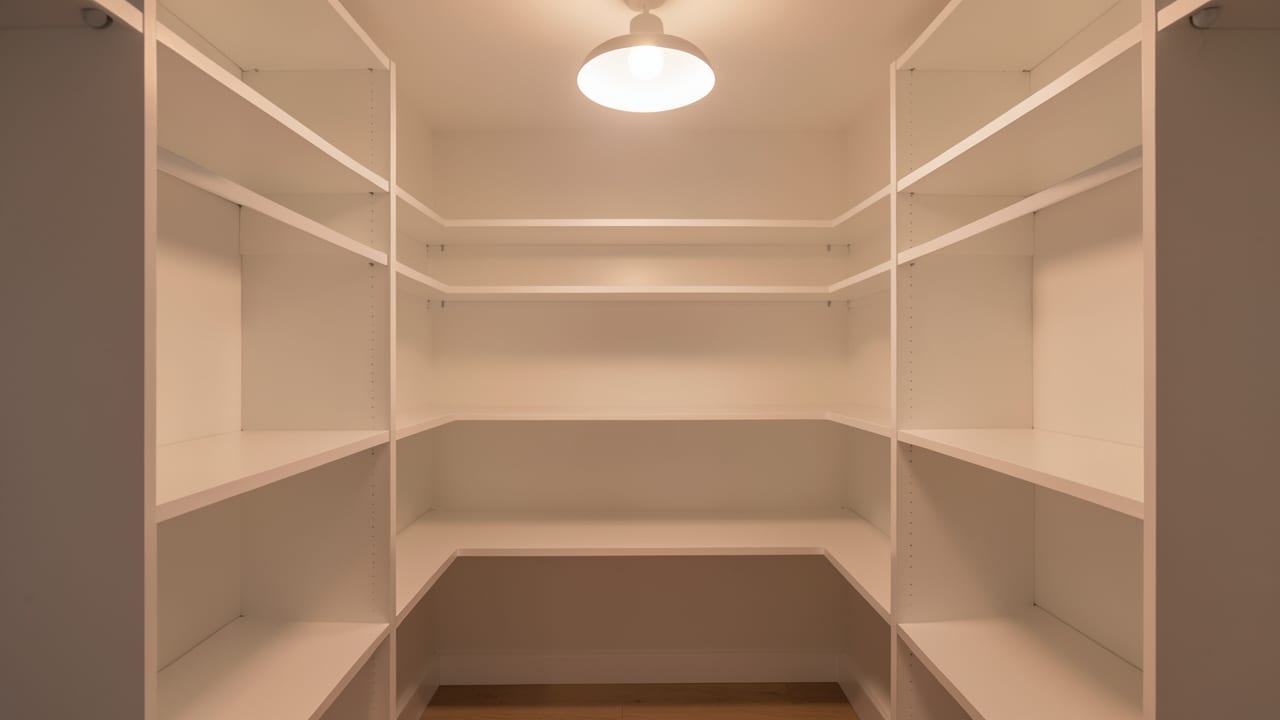
Closet Mold Cleanup in Clarksville, KY
Professional cleanup and removal of mold from closets to restore safe, healthy spaces.
Learn MoreCommon Questions About Mold Remediation in Clarksville
Everything you need to know about mold remediation services in Clarksville
How much does Warehouse Mold Cleanup typically cost in Clarksville, KY?
Why does Clarksville, KY's humidity make mold a bigger risk than in drier regions?
Does mold mean the same thing as mildew?
Does homeowners insurance typically cover mold remediation?
Is black mold actually more dangerous than other mold types?
How long does a typical mold remediation job take?
Need Mold Remediation in Clarksville?
Connect with local providers in Clarksville for a detailed quote.
⏰ We answer your call • Serving all of Clarksville and surrounding areas