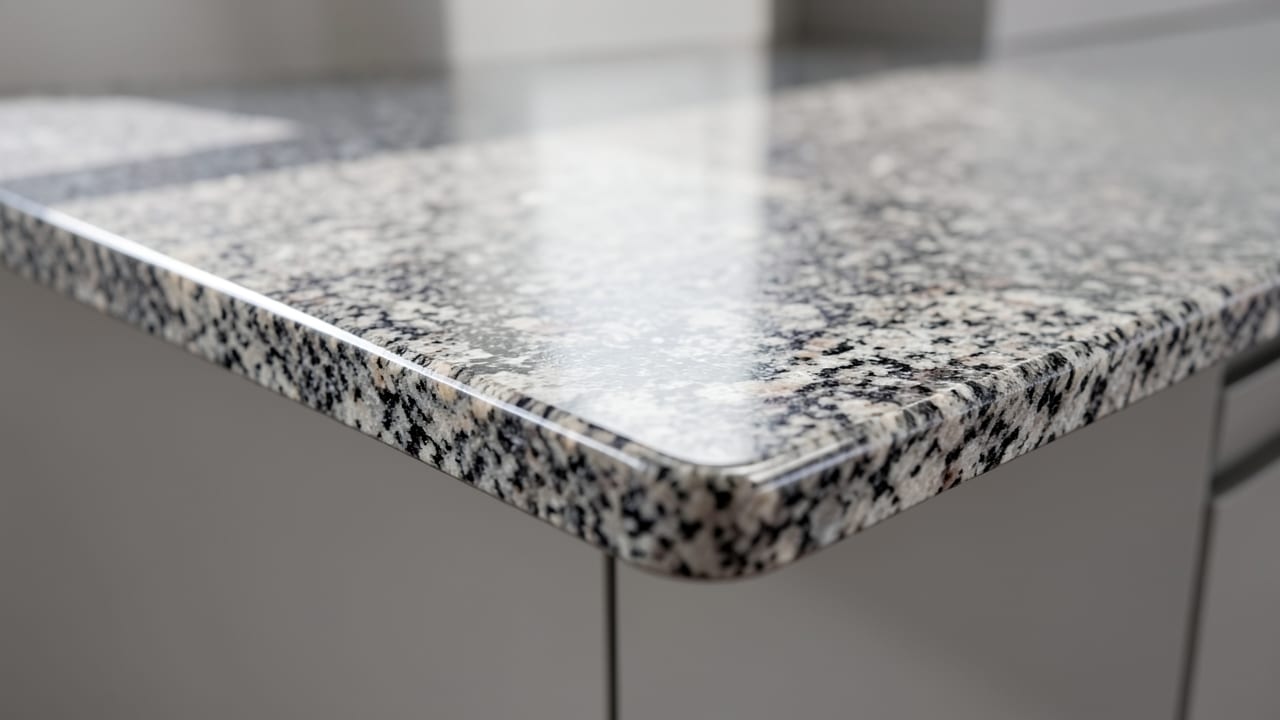
Stone Countertop Mold Removal
Professional removal of mold from stone countertops using specialized cleaning and treatment methods.
Stone countertop mold removal in Clarksville, KY targets fungal growth on surfaces like granite, marble, or quartz, using deep cleaning with mold-specific solutions. Unlike porous materials, stone requires careful handling to avoid damage while eliminating spores and preventing regrowth.
This process follows strict containment and remediation protocols to ensure safety and effectiveness for homeowners.
We also handle Warehouse Mold Cleanup and Metal Ductwork Mold Remediation for Clarksville properties.
When stone countertop mold removal is needed
Mold on stone countertops often starts as small, isolated patches but can spread quickly if moisture persists. Visible signs include discoloration, a musty odor, or recurring growth after cleaning.
If mold covers more than a small area—especially over 25 square feet—or keeps returning, it’s a sign the problem requires professional treatment rather than DIY methods.
Stone surfaces like granite or marble are non-porous, so mold typically grows on the surface rather than deep within the material. However, without proper removal and moisture control, spores can linger, leading to regrowth.
Homeowners should also watch for hidden mold in adjacent areas, such as under sinks or behind appliances, where dampness may be trapped.
Signs You Need Professional Mold Removal for Stone Countertops
- Mold covers more than a small, isolated patch (especially over 25 square feet).
- Growth returns in the same spot after cleaning, indicating a moisture source wasn’t addressed.
- A musty smell persists even when no visible mold is present, suggesting hidden growth.
- The mold appears black, green, or fuzzy, which often means it’s deeply embedded in the surface.
What affects the process and cost
Stone countertop mold removal follows a structured process, including containment, deep cleaning, and moisture control. The scope of work—such as whether hidden mold in adjacent areas must be addressed—directly impacts timing and pricing.
Unlike flat-rate services, this work is typically priced per project after an inspection, as factors like surface condition and moisture sources vary.
Containment and clearance testing are critical steps but may be quoted separately. A low estimate that excludes these can lead to incomplete remediation. Always confirm whether the quote includes inspection, testing, and post-remediation verification to ensure the job meets Kentucky’s minimum operating standards.
Why containment and testing matter
During stone countertop mold removal, containment prevents spores from spreading to unaffected areas of the home. Plastic sheeting and negative-air machines seal the workspace, while HEPA air scrubbers and vacuums capture spores that would otherwise recirculate. Skipping these steps can turn a contained job into a larger, more costly problem.
Post-remediation clearance testing confirms the work was effective. Independent air or surface sampling verifies spore counts are back to normal levels before the area is released. Without this step, there’s no way to confirm whether the mold has been fully removed.
A breach in containment—such as an open door or torn plastic—can release spores into the home, spreading contamination to areas that were never affected. Always ensure the crew maintains proper containment throughout the process.
How stone countertop mold removal works
This process ensures mold is safely removed from stone surfaces while preventing regrowth.
- 1Containment Setup
Plastic sheeting and negative-air machines seal the work area to prevent spores from spreading. This step is critical for keeping contamination localized.
- 2Deep Cleaning with Mold-Specific Solutions
Specialized cleaners are applied to the stone surface to kill mold spores and prevent regrowth. The process avoids abrasive methods that could damage the material.
- 3HEPA Filtration and Vacuuming
HEPA air scrubbers and vacuums capture spores during removal, ensuring they don’t recirculate into the home. Standard filters are ineffective at trapping mold spores.
- 4Moisture Control and Drying
Industrial dehumidifiers and air movers dry the affected area to prevent mold from returning. Structural drying ensures hidden moisture sources are addressed.
- 5Clearance Testing
An independent test confirms spore levels are back to normal before containment is removed. This step verifies the remediation was successful.
Frequently asked questions
Can I clean mold off my stone countertop myself, or do I need a professional?
Small, isolated patches may be cleaned with vinegar or hydrogen peroxide, but if the mold covers more than 25 square feet or keeps returning, professional removal is recommended. Stone surfaces require careful handling to avoid damage, and hidden moisture sources often need to be addressed.
Will the mold removal process damage my granite or marble countertop?
Professional removal uses non-abrasive methods and mold-specific solutions designed for stone surfaces. However, improper techniques—such as scrubbing too hard or using harsh chemicals—can cause etching or discoloration. Always confirm the crew uses methods safe for your specific material.
How long does stone countertop mold removal take?
The process typically takes 1–3 days, depending on the size of the affected area and whether hidden mold or moisture sources need to be addressed. Containment, drying, and clearance testing add time to ensure the job is thorough.
What can I do to prevent mold from coming back after removal?
Fix any moisture issues—such as leaks, poor ventilation, or grading problems—and monitor humidity levels in the area. Using a dehumidifier or small fan in persistently damp spaces can help prevent recurrence.
See Hebron Estates, KY for more, or find out about the full mold remediation lineup we run in Clarksville in detail for our complete lineup.
Ready to get started?
Talk to a local mold remediation pro in Clarksville — get a written quote.
Other Mold Remediation Services in Clarksville
Warehouse Mold Cleanup in Clarksville, KY
Professional removal of mold from warehouse spaces to restore safe, clean conditions.
Learn More
Metal Ductwork Mold Remediation in Clarksville, KY
Professional removal of mold from metal ductwork to restore indoor air quality.
Learn More
Glass Window Mold Removal in Clarksville, KY
Professional removal of mold from glass windows and frames to restore clarity and prevent spread.
Learn More
Balcony Mold Cleanup in Clarksville, KY
Professional removal and treatment of mold growth on balconies and adjacent structures.
Learn More
Sunroom Mold Remediation in Clarksville, KY
Professional removal and treatment of mold in sunrooms to restore a safe, clean space.
Learn More
Closet Mold Cleanup in Clarksville, KY
Professional cleanup and removal of mold from closets to restore safe, healthy spaces.
Learn MoreCommon Questions About Mold Remediation in Clarksville
Everything you need to know about mold remediation services in Clarksville
How much does Stone Countertop Mold Removal typically cost in Clarksville, KY?
Why does Clarksville, KY's humidity make mold a bigger risk than in drier regions?
Is black mold actually more dangerous than other mold types?
How long does a typical mold remediation job take?
Is it safe to stay in the home during mold remediation?
Can small mold problems be handled without hiring anyone?
Need Mold Remediation in Clarksville?
Connect with local providers in Clarksville for a detailed quote.
⏰ We answer your call • Serving all of Clarksville and surrounding areas